
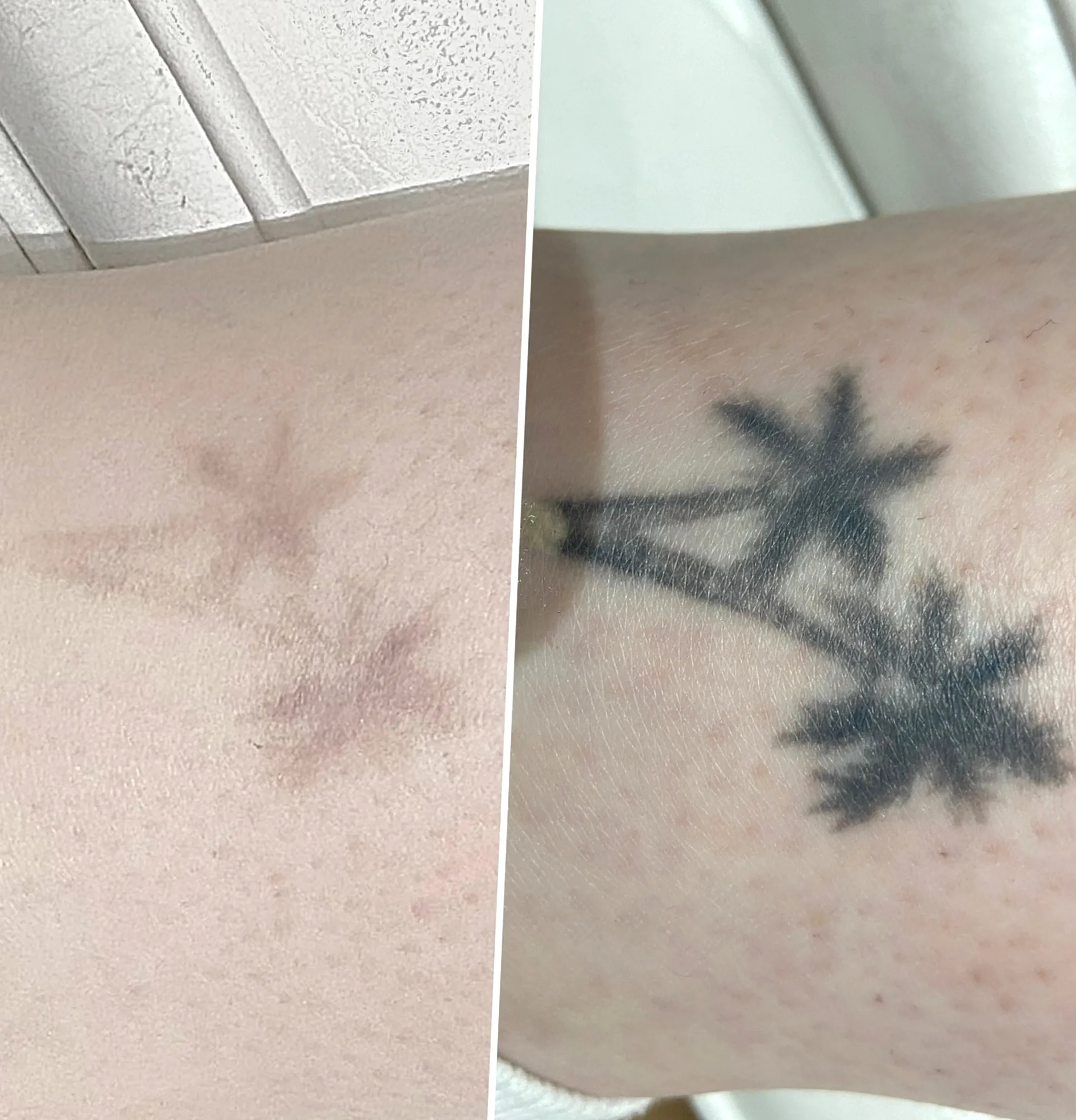
“Does hand sanitiser remove tattoos?” — I’ve been asked that more times than I can count in the studio since we all started carrying those little bottles everywhere during COVID. I get it — you’ve invested in your ink, whether it’s body art, a cosmetic brow tattoo, a lip blush, or even temporary tattoos, and the last thing you want is for it to fade prematurely.
The short answer? No, hand sanitiser won’t strip away healed permanent ink overnight. But it can mess with fresh or delicate designs — including semi-permanent tattoos and fake tattoos — if used incorrectly.
Contents
- 1 What’s Really In Hand Sanitiser
- 2 Why Alcohol Can Harm Fresh Tattoos
- 3 Fresh, Healed And Temporary Tattoos
- 4 If Sanitiser Touches Your Fresh Tattoo
- 5 Can It Fade A Healed Tattoo?
- 6 Alternatives To Alcohol-Based Products
- 7 Table: Impact Of Common Products On Tattoos
- 8 Temporary Tattoo Removal Methods
- 9 Lifestyle Factor: Why This Matters Locally
- 10 Final Thoughts
- 11 FAQ
What’s Really In Hand Sanitiser
Most sanitisers are alcohol-based, often containing high levels of rubbing alcohol. That’s great for killing germs, but not so great for fresh ink. Alcohol is a drying agent, and dryness can interfere with both healing and skin cell turnover.
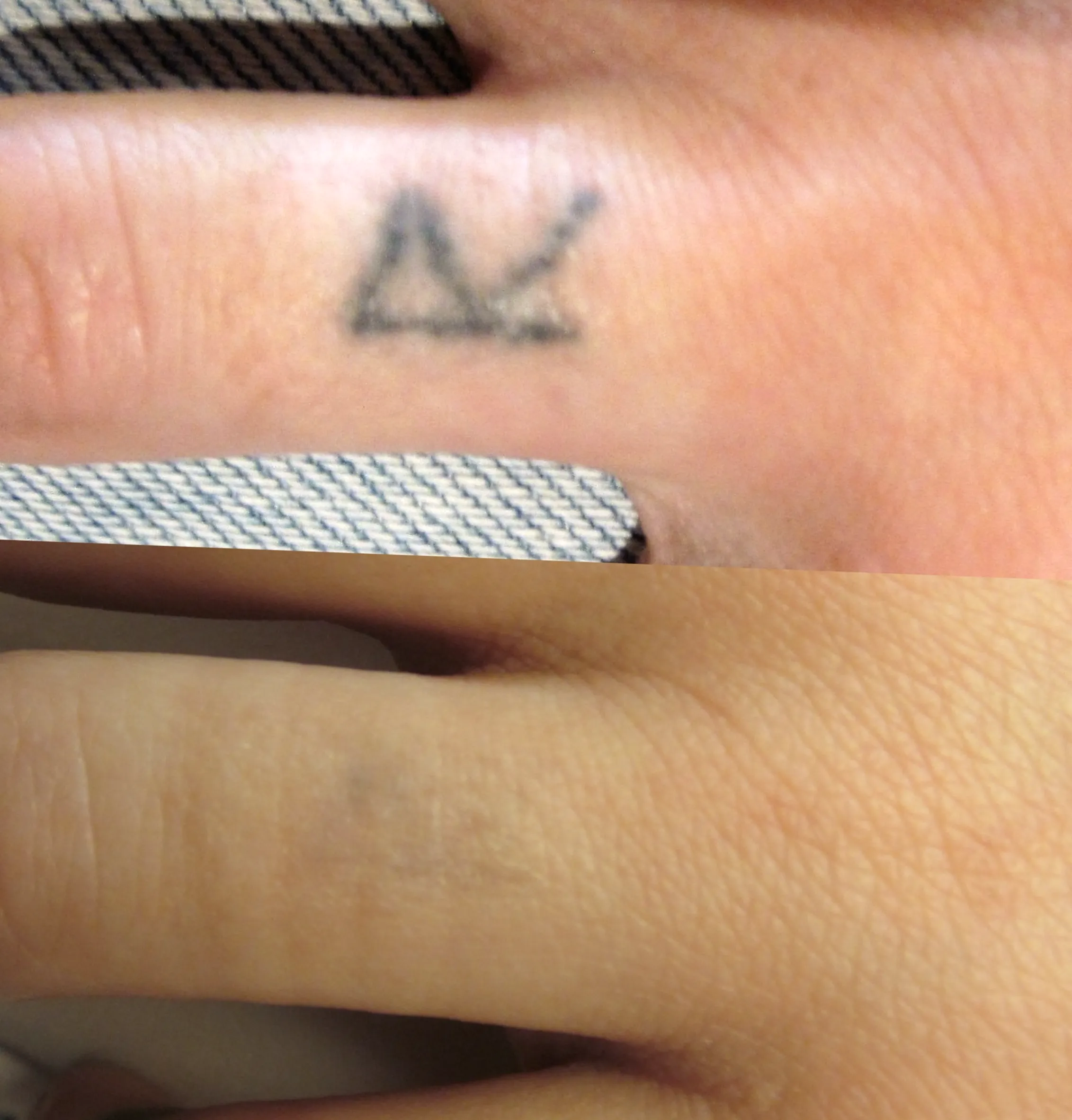
In my Melbourne studio, I’ve seen clients who were midway through saline tattoo removal notice extra irritation when they used alcohol-heavy sanitisers on healing areas. The skin was already sensitive from treatment, so adding alcohol only prolonged recovery.
Why Alcohol Can Harm Fresh Tattoos
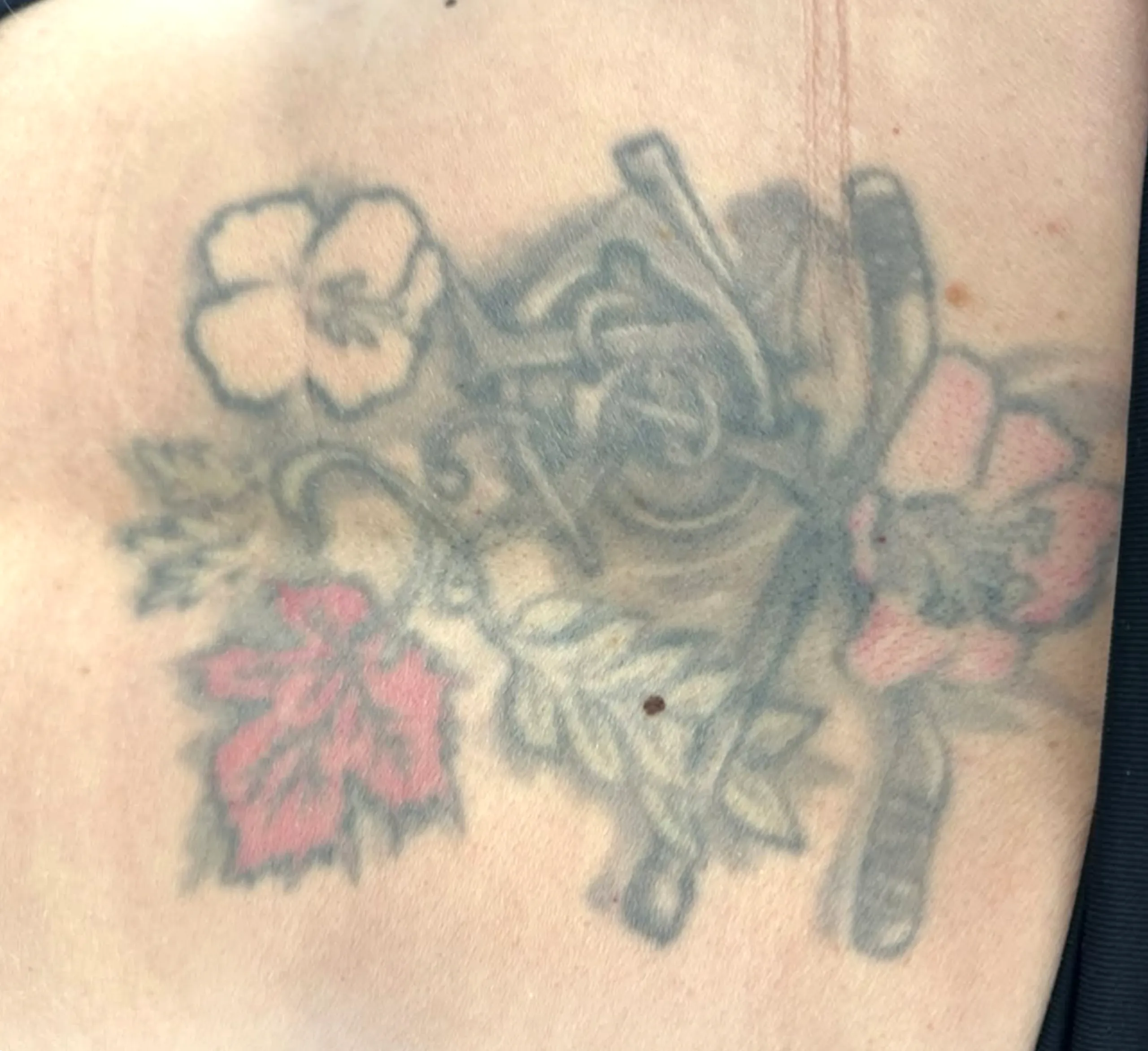
Alcohol doesn’t dissolve pigment embedded in the dermis, but it can disrupt the skin recovery process by causing skin irritation and moisture loss. For temporary ink or designs applied with skin adhesive (like sticker tattoos), alcohol can loosen the bond and cause peeling.
For cosmetic tattoos such as powder brows, alcohol can dry the area, causing flaking that removes pigment prematurely. In some cases, clients seeking tattoo removal treatments actually use alcohol-based products, thinking it will speed up fading, but it doesn’t work like that and can just damage the skin.
Fresh, Healed And Temporary Tattoos
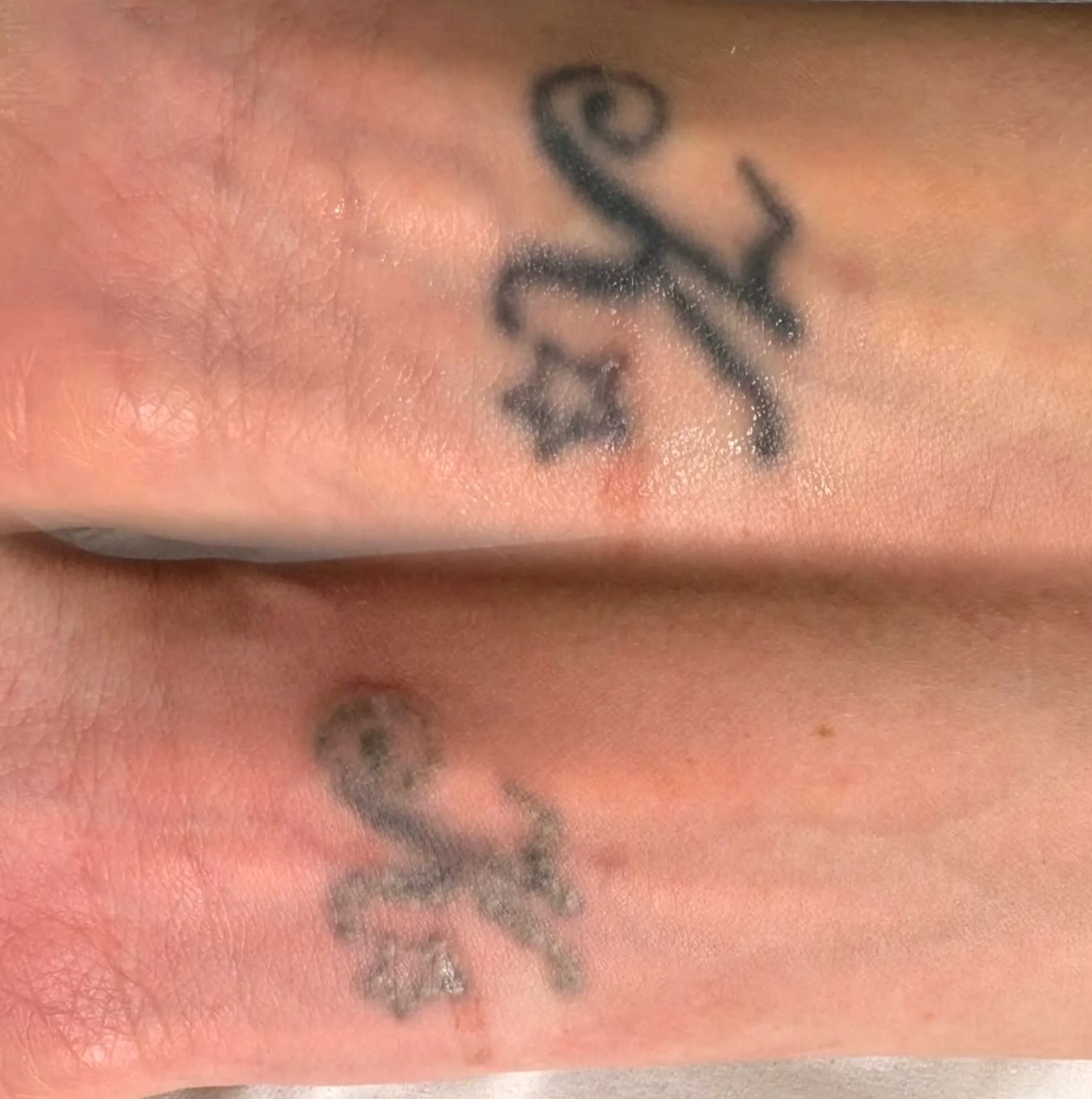
- Fresh permanent tattoos: First 1–2 weeks, open wound, highly sensitive to products.
- Healed tattoos: After 4–6 weeks, pigment is sealed under new skin cells, more resilient.
- Temporary tattoos: Applied on the skin’s surface with non-toxic ink and adhesive — easily removed with oil-based products or exfoliating scrubs.
And with clients coming in for tattoo removal too, the skin after each pass is just as sensitive as a fresh tattoo, so no alcohol-based sanitisers please.
If Sanitiser Touches Your Fresh Tattoo
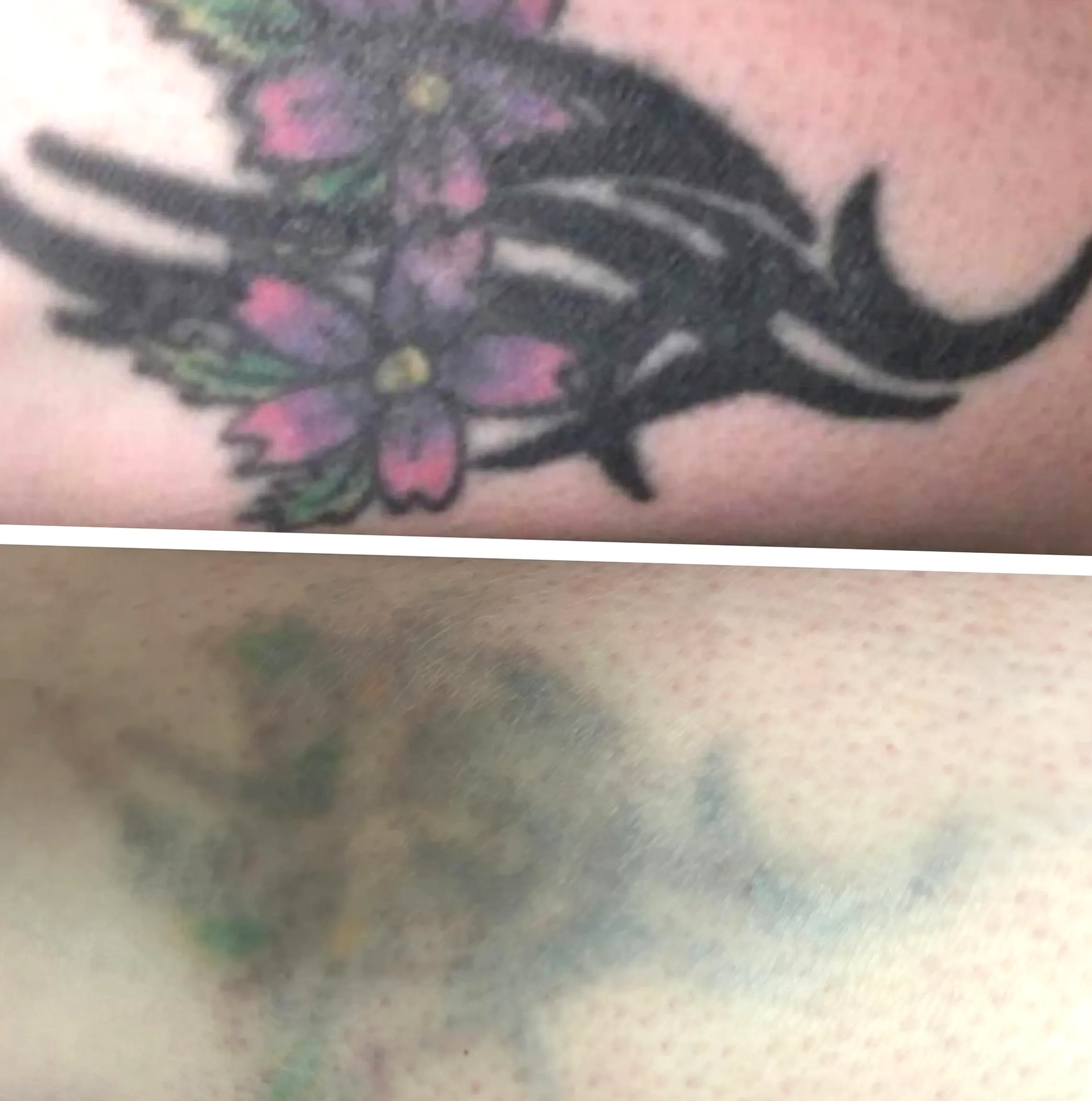
If sanitiser gets on your fresh ink — whether permanent or semi-permanent — act fast:
- Rinse with soap and water.
- Pat dry with a cotton pad.
- Apply a thin layer of hypoallergenic moisturiser or water-based moisturiser.
This also applies if you’re in between laser hair removals sessions and have tattooed skin in the treated area — alcohol can irritate already sensitive skin.
Can It Fade A Healed Tattoo?
Over time, repeated contact with alcohol-based sanitisers, chemical removers, or harsh oil-based cleansers can cause fading, especially on semi-permanent tattoos and cosmetic brow or lip work designed to fade.
Even clients who get laser hair removal regularly ask if their sanitiser habits affect their tattooed skin. The answer is yes — prolonged dryness can make tattoos look dull sooner, especially on areas that get treated.
Alternatives To Alcohol-Based Products
If you want to protect your ink, here’s what I recommend for cleaning skin without damaging pigment:
- Baby oil or olive or coconut oil: Hydrates and dissolves adhesive residue from temporary tattoos.
- Soap and water: Safest everyday cleaning option.
- Aloe vera gel: Soothes skin irritation without disrupting pigment.
- Makeup remover: Choose oil-based removers for temporary tattoo removal; choose gentle micellar water for healed permanent ink.
I share these options with my saline tattoo removal clients as part of their aftercare plan to keep skin hydrated and healthy between sessions.
Table: Impact Of Common Products On Tattoos
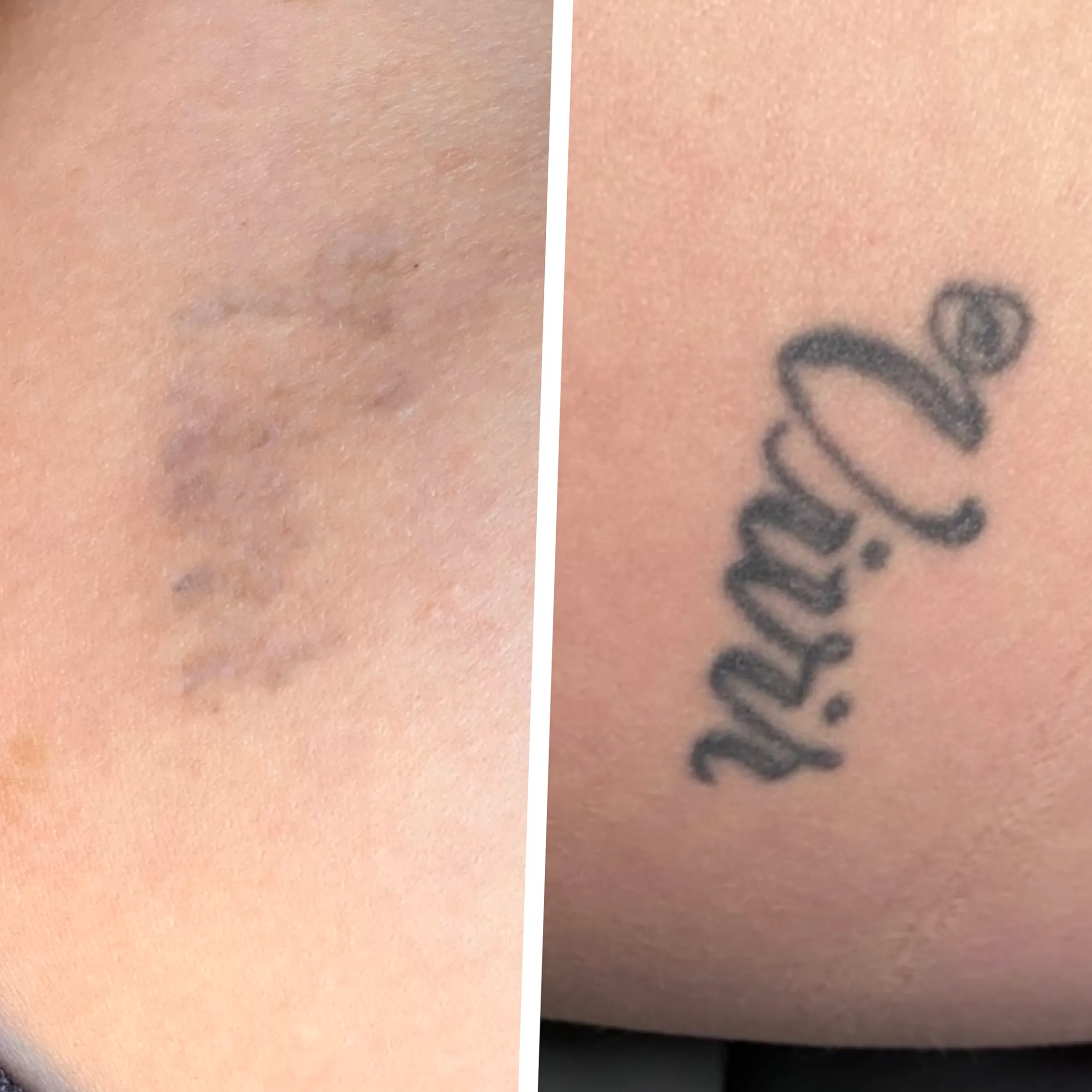
| Product | Fresh Tattoo Effect | Healed Tattoo Effect | Temporary Tattoo Effect | Risk Level |
|---|---|---|---|---|
| Alcohol-based sanitiser | Dry skin, risks pigment loss | Minor fade over time | Loosens adhesive, peels off | High (fresh/temp) |
| Baby oil / Coconut oil / Olive oil | Hydrates, protects | Safe | Dissolves adhesive gently | Low |
| Soap and water | Safest cleaning | Safe | May cause gradual fading | Low |
| Rubbing alcohol | Harsh drying, stings | Slight fade with overuse | Breaks down adhesive quickly | High |
| Nail polish remover (acetone-based) | Damages healing skin | Irritates skin | Strip design immediately | Very High |
| Exfoliating scrubs (brown sugar, coffee grounds, oatmeal) | Removes scabs too early | Brightens healed tattoo | Removes in 1–2 uses | Medium–High |
Temporary Tattoo Removal Methods
You’ve got a barcode tattoo from a festival, or your kids are covered in sticker tattoos. Here’s how to get them off without harming the skin:
- Natural oils (like olive or coconut oil) — apply in circular motions with a cotton pad.
- Exfoliating products — mix brown sugar or coffee grounds with baby oil for a gentle scrub.
- Household clear scotch tape or medical tape — lift off surface adhesive and pigment.
- Baking soda with lemon juice — mild chemical exfoliation (patch test first).
- Aloe vera gel — soothes skin after removal.
These methods are way better than using harsh chemicals — especially if your skin is healing from laser tattoo removal or saline tattoo removal.
Lifestyle Factor: Why This Matters Locally
In Melbourne, where trams, trains and busy cafes mean you’re sanitising your hands more often, the risk to fresh and temporary tattoos is higher. Add in seasonal changes — dry winters accelerate skin cell turnover, hot summers increase sweat and sanitiser use — and you’ve got a recipe for faster fading if you’re not careful.
I’ve even had clients book tattoo removal consultations after noticing their cosmetic work fade unevenly from overuse of alcohol-based products.
Final Thoughts
Hand sanitiser won’t remove a tattoo overnight — but it can speed up the removal process for fresh, delicate or temporary tattoos, and it’s one of those everyday habits that slowly chips away at pigment over time. Whether it’s body art, fake tattoos or a brow refresh, protect your investment with oil-based products, gentle cleaning and smart aftercare.
Still unsure? At Face Figurati Cosmetic Tattoo Studio in Melbourne, I guide every client through product safety, user experience tips and skin recovery strategies — whether they’re here for new ink, laser hair removal or tattoo removal of any kind.
FAQ
Will hand sanitiser remove my healed tattoo?
No — hand sanitiser won’t remove permanent ink, but frequent use can slowly dull colours over years, especially for lighter shades or semi-permanent tattoos like cosmetic brows and lips.
Can I use hand sanitiser after tattoo removal?
No — avoid it on treated skin. The area will be sensitive after each tattoo removal session, so use soap and water instead to clean gently and prevent irritation.
What’s the best way to remove a temporary tattoo?
Natural oils like coconut oil or olive oil in circular motions with a cotton pad are safest. You can also use exfoliating scrubs like brown sugar and baby oil. Avoid harsh chemicals like acetone-based nail polish remover unless you’ve tested for skin sensitivity.
Does hand sanitiser affect saline tattoo removal?
Yes — using sanitiser directly on an area healing from saline tattoo removal can cause dryness, scabbing and delayed healing. Follow your technician’s aftercare instructions.
Can I have laser hair removal over tattooed skin?
It’s not recommended to perform laser hair removal directly over tattooed areas, as the laser can interact with pigment and cause burns. Your therapist can work around the tattoo safely or use alternate hair removal methods nearby.