
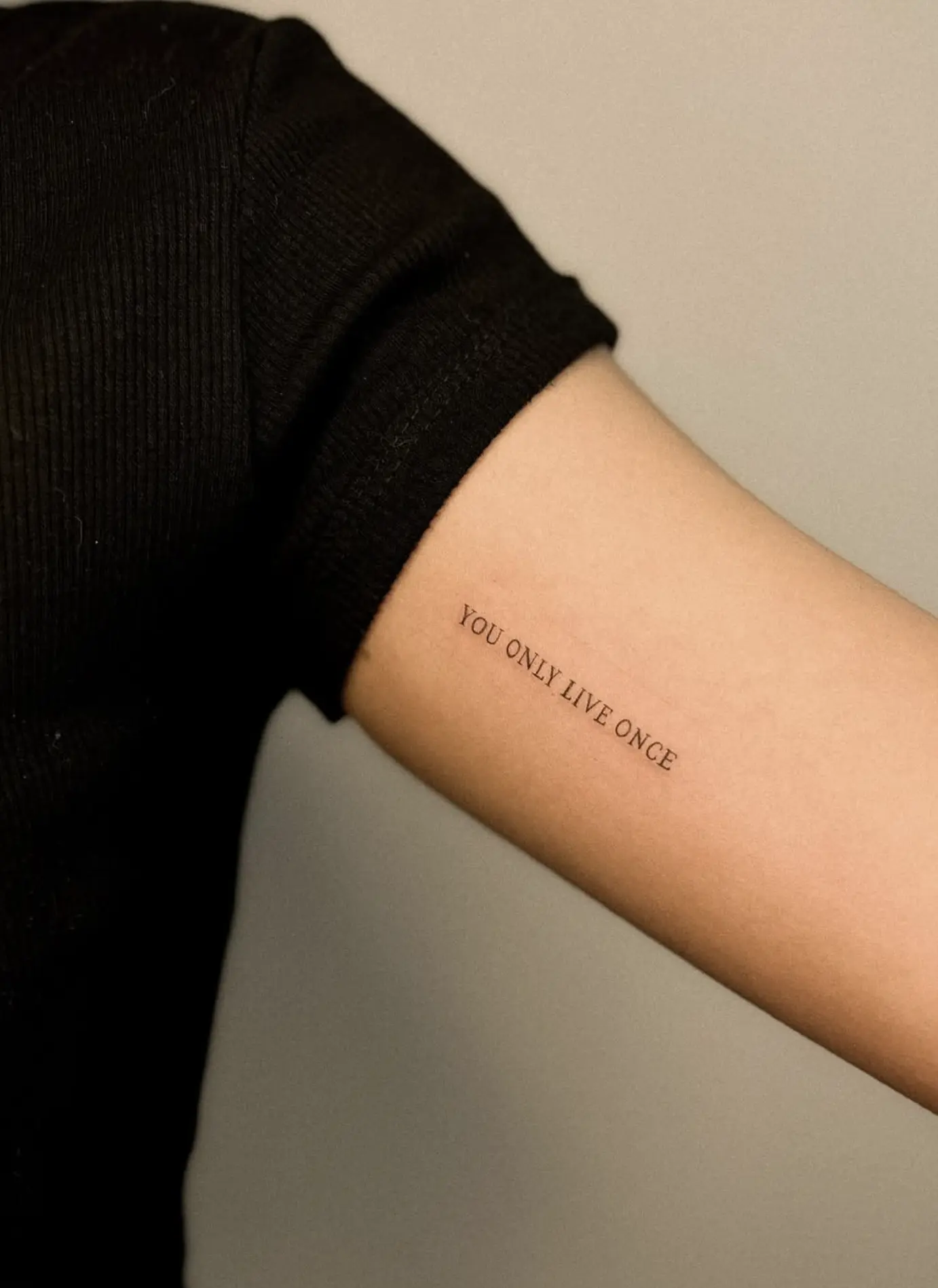
So you’ve seen those super fine-line tattoos taking over your social media feed and you’re wondering, “How long will fine-line tattoos last?” Good question. And you’re not alone.
As someone who’s seen trends come and go in the tattoo industry and worked with everything from bold traditional tattoos to detailed portrait tattoos, I’ll be honest with you: fine-line work looks amazing, but it’s not as bulletproof as it seems. Let’s get into the nitty-gritty of how long you can expect them to last, how to keep them looking fresh and what really makes the difference between crisp lines and blurry regret.
Contents
- 1 Why Fine Line Tattoos Age Differently
- 2 What Affects Tattoo Longevity?
- 3 Don’t Miss These Healing Tips
- 4 What Happens to Tattoos Over Time?
- 5 Is It Worth It?
- 6 Climate, Skin & Tattoo Aftercare
- 7 Busted Myths and Real Talk
- 8 Choosing the Right Studio Matters
- 9 FAQ
- 9.1 Are fine-line tattoos permanent or semi-permanent?
- 9.2 How do I stop my fine-line tattoo from fading?
- 9.3 Do finger tattoos fade faster than others?
- 9.4 Can anyone get a fine-line tattoo, or is it better for certain skin types?
- 9.5 Should I choose a tattoo artist who specialises in fine line tattooing?
Why Fine Line Tattoos Age Differently
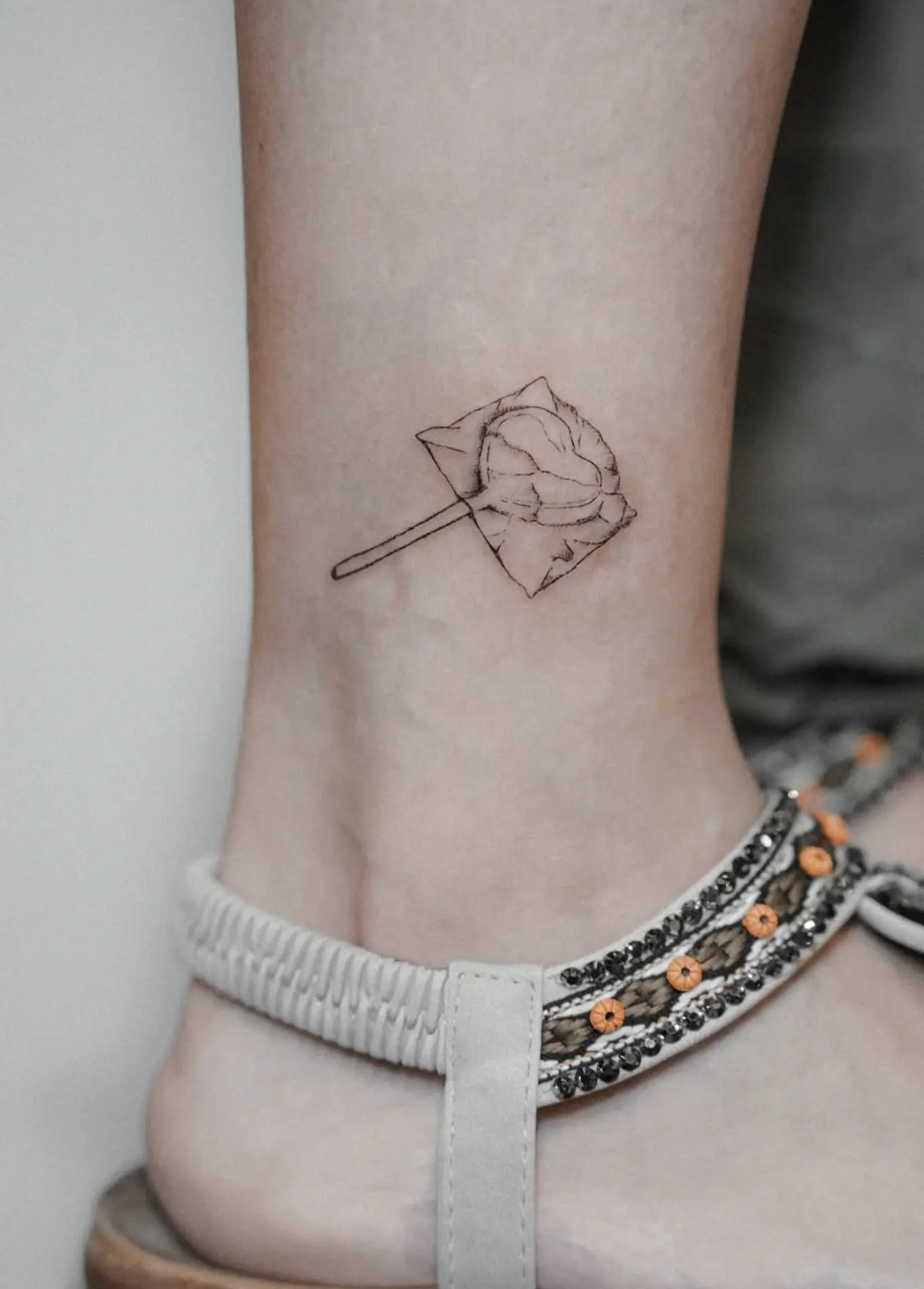
Fine line tattoos are exactly what they sound like: tattoo styles made up of very thin, precise lines, often applied with a single needle rather than multi-needle groupings. That technique, called single-needle tattooing, results in minimalist designs that look super refined and modern.
That minimalist look? It’s part of the charm, but also part of the problem.
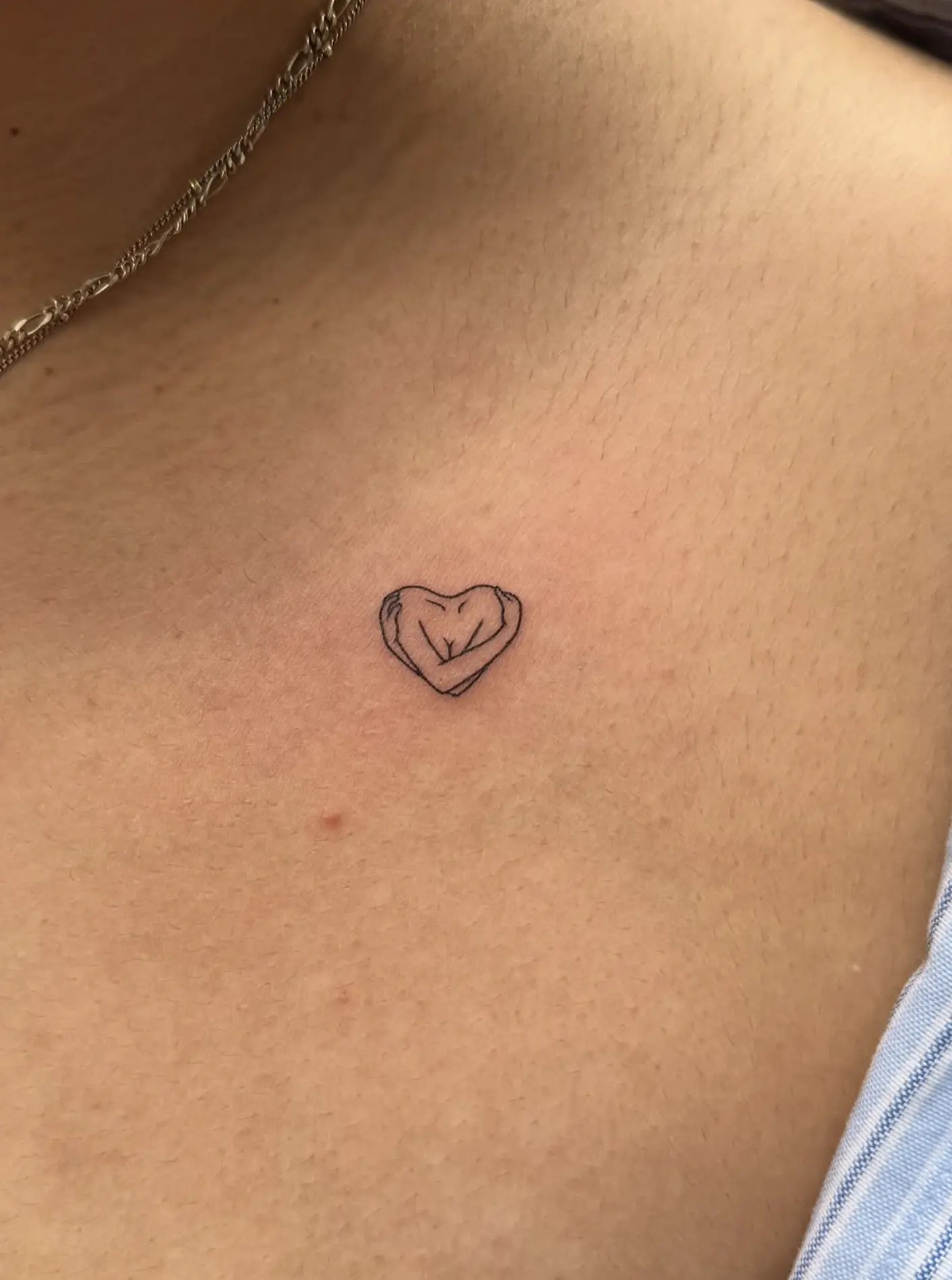
Because there’s less permanent ink deposited into the second layer of skin (the dermis), fine-line tattoos are more prone to fading and blurring over time. Think of it like drawing with a fine pen on soft fabric. Eventually, the lines soften. That’s just how skin and the immune system work, especially with the skin cell turnover that naturally occurs.
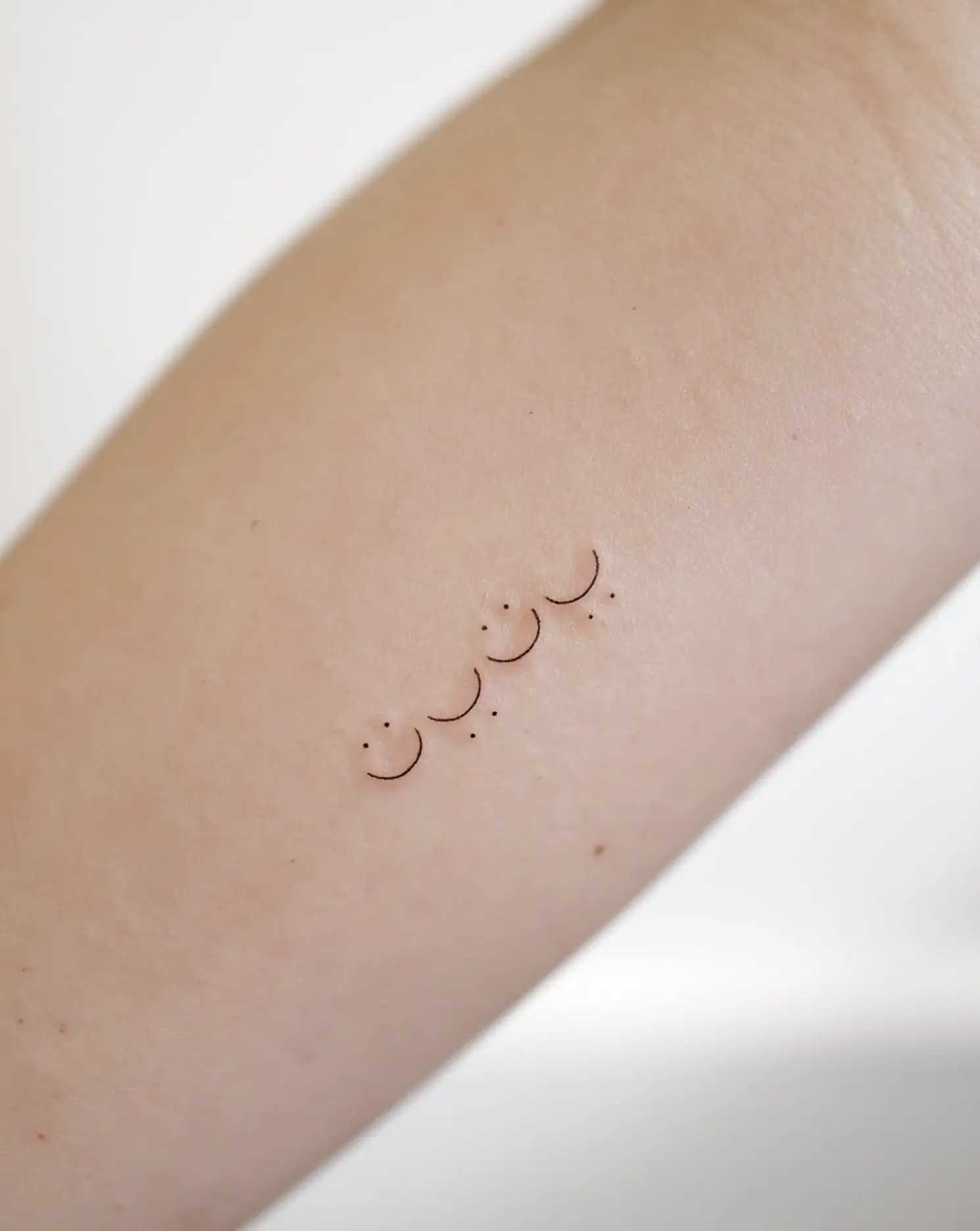
This is especially true in high-movement or sun-exposed areas (like finger tattoos, wrists, ankles and shoulders). If you’re in Melbourne, where we get some serious UV rays in summer, this matters more than you might think. Sun exposure breaks down pigment fast — no matter how good your tattoo artist is.
What Affects Tattoo Longevity?
When clients ask how long their fine-line tattoos will last, I always say it’s not just about the tattoo style or design. It’s about:
- Skin type: Oily, sensitive or thin skin will make the ink blur or fade faster.
- Tattoo placement: Hands, fingers, feet and ankles fade quicker due to movement and friction.
- Sun exposure: UV rays are ink’s worst enemy. Without proper sun protection (SPF 60 is best), expect fading.
- Tattoo artist skill: A specialist in fine line tattoo techniques will control depth and line clarity more effectively using a precise tattoo machine.
- Ink and needle quality: Professional-grade ink and single needles designed for line work make a huge difference.
- Aftercare and healing process: Picking, soaking or using harsh skincare during healing will make the tattoo fade faster.
If you’re ever thinking of doing a fine line tattoo course, make sure the training includes a deep understanding of skin types and how different tattoo machines affect ink longevity.
| Tattoo Placement | Expected Lifespan (Before Major Fading) |
|---|---|
| Fingers/Hands | 1–3 years |
| Ankles/Feet | 2–4 years |
| Neck/Shoulder | 3–5 years |
| Inner Arm/Thigh | 5–7 years |
| Upper Arm/Back | 7+ years |
Don’t Miss These Healing Tips
Fine-line tattoos rely on precision. That means poor aftercare during the healing process can ruin the look early.
Healing Checklist for Fine-Line Tattoos:
- Wash gently with mild, fragrance-free cleanser
- Pat dry and apply a thin layer of healing balm
- No baths, spas, pools or ocean
- No gym for at least a week
- No tight clothing rubbing on the area
- No sun — absolutely no tanning
One session of tanning can shorten the life of your tattoo fine line design. And once healed? SPF is your best friend. Choose a high-quality sunscreen (SPF 60 if you’re out and about) to reduce long-term fading.
What Happens to Tattoos Over Time?
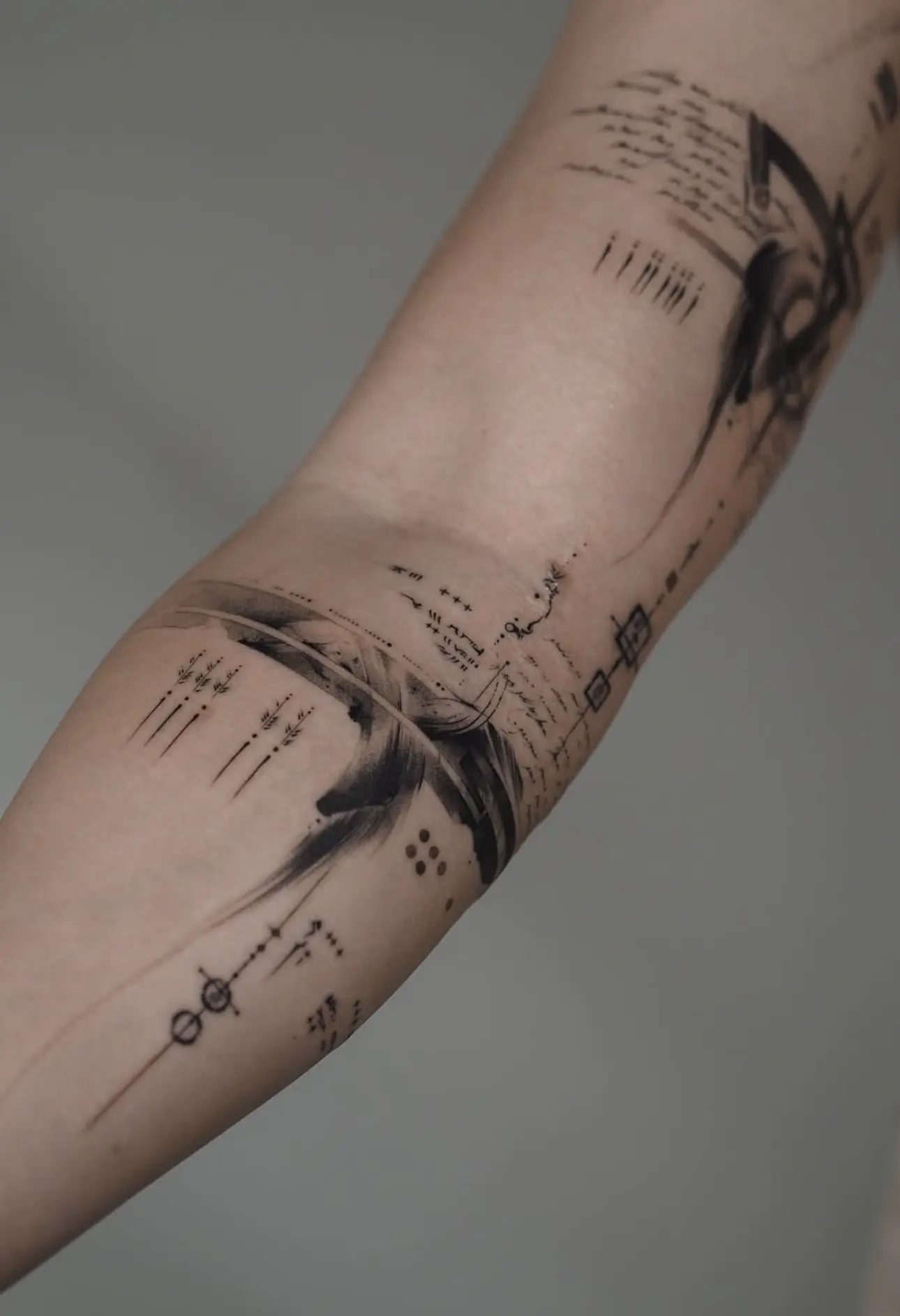
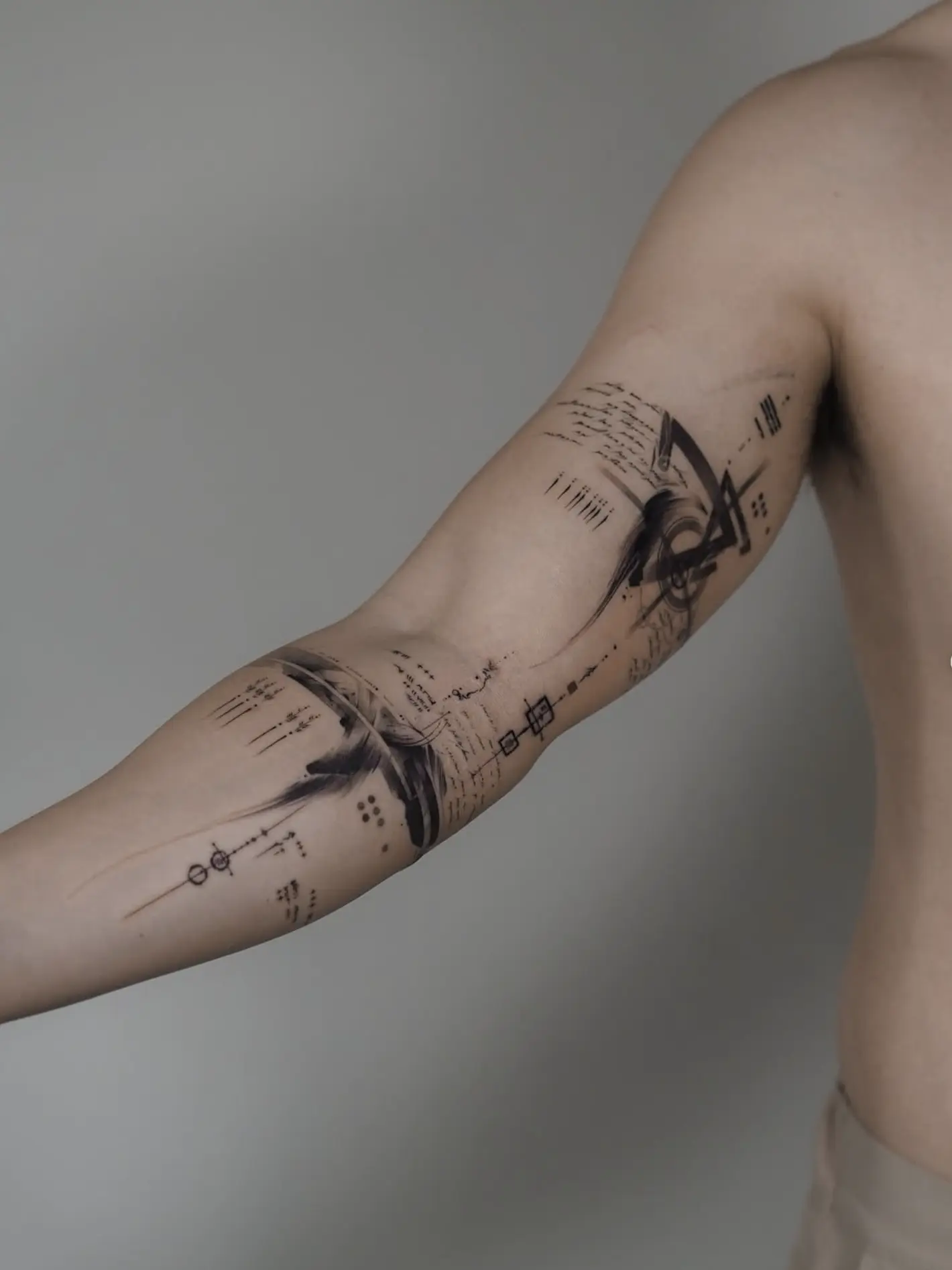
Expect the design to soften over time, especially with micro tattoos or tiny tattoos in high-friction zones. Even the most precise single-needle tattoos will eventually blur slightly as your lymphatic system slowly breaks down and processes the ink particles.
Some signs of aging:
- Fuzzy lines
- Overall light fading (especially black and grey designs)
- Uneven fading based on friction, movement and sun exposure
Regular touch-ups — usually every 2–5 years — keep the tattoo looking sharp. If you love minimal shading or fine line work, plan for these refresh sessions.
Is It Worth It?
Absolutely. Fine-line tattoos have become a staple of modern tattoo styles — especially among those who love geometric designs, delicate florals or animal silhouettes. Whether it’s a soft script on your ribcage or fine line work on your wrist, these tattoos are here to stay.
A well-done fine line tattoo can look chic and polished — as long as you’re prepared to maintain it over time.
Just remember:
- Fine-line and single-needle tattoos are high maintenance.
- Your skin and lifestyle affect how they age.
- Tattoos in tricky spots (like fingers) need more upkeep.
If you love the minimalist look, chat to your tattoo artist about how to make your design last. Sometimes a subtle tweak in line thickness or tattoo placement can increase its lifespan dramatically.
Climate, Skin & Tattoo Aftercare
As a Melburnian, I see how much our changing seasons affect tattoo longevity.
Summer:
- SPF 60 or higher is non-negotiable.
- Long sleeves or clothing coverage helps protect the healing ink.
- Stay hydrated — dry skin equals dull tattoos.
Winter:
- Skin gets dry fast, which can affect how ink settles.
- Moisturise daily to keep your tattoo and skin healthy.
- Layer with breathable clothing, not synthetics that trap sweat.
Choosing a studio that provides aftercare support and understands Melbourne’s climate goes a long way in helping your ink heal properly.
Busted Myths and Real Talk
- Fine-line tattoos aren’t semi-permanent. They use permanent ink in your dermis — they just fade more visibly.
- Single needle ≠ faster fading by default. It’s all about how deep the artist deposits the ink and your aftercare.
- White ink fades fastest. Especially in minimalist designs.
- Not all finger tattoos age poorly. But you must accept the risks and maintain them more.
- Not all artists do great fine-line work. This style demands precision and training — look for fine line tattoo artists or tattoo shops who specialise in it.
If you’re new to the style and unsure about longevity, starting with a small fine line tattoo in a low-friction area is a smart move.
Choosing the Right Studio Matters
Not all tattoo shops are the same. When it comes to minimalist designs or tiny tattoos, you want a studio that:
- Uses professional single needles and machines
- Offers detailed consults for line work and placement
- Has a clean, supportive studio environment
- Maintains a proper booking system and hygiene standards
- Provides high-quality aftercare advice and products
- Offers gift vouchers (bonus if you’re treating someone else!)
Do your research. Ask for healed work examples. And don’t hesitate to walk away if a shop pushes you into a style or placement you’re unsure of.
At Face Figurati Cosmetic Tattoo Studio in Melbourne, we specialise in creating fine-line tattoos that are tailored to your skin, lifestyle, and long-term results.
FAQ
Are fine-line tattoos permanent or semi-permanent?
Fine-line tattoos are permanent. They use the same type of ink and go into the same layer of skin as traditional tattoos — they just tend to fade faster due to less pigment being used.
How do I stop my fine-line tattoo from fading?
To minimise fading, follow the aftercare process closely and avoid sun exposure. Long-term use of high-SPF sunscreen, moisturise daily and avoid exfoliants or harsh chemicals on the tattooed area.
Do finger tattoos fade faster than others?
Yes. Finger tattoos — especially fine line tattoo styles — fade faster due to constant movement, washing and sun exposure. You’ll need more frequent touch-ups.
Can anyone get a fine-line tattoo, or is it better for certain skin types?
Anyone can get one, but results will vary based on skin type. Oily or mature skin may not hold the detail as well, and placement plays a big role. A trained artist can advise on the best approach.
Should I choose a tattoo artist who specialises in fine line tattooing?
Absolutely. Fine line tattooing requires precision, steady hands, and knowledge of how to work with single needles. Choose someone with a portfolio of healed work, not just fresh ink photos.