
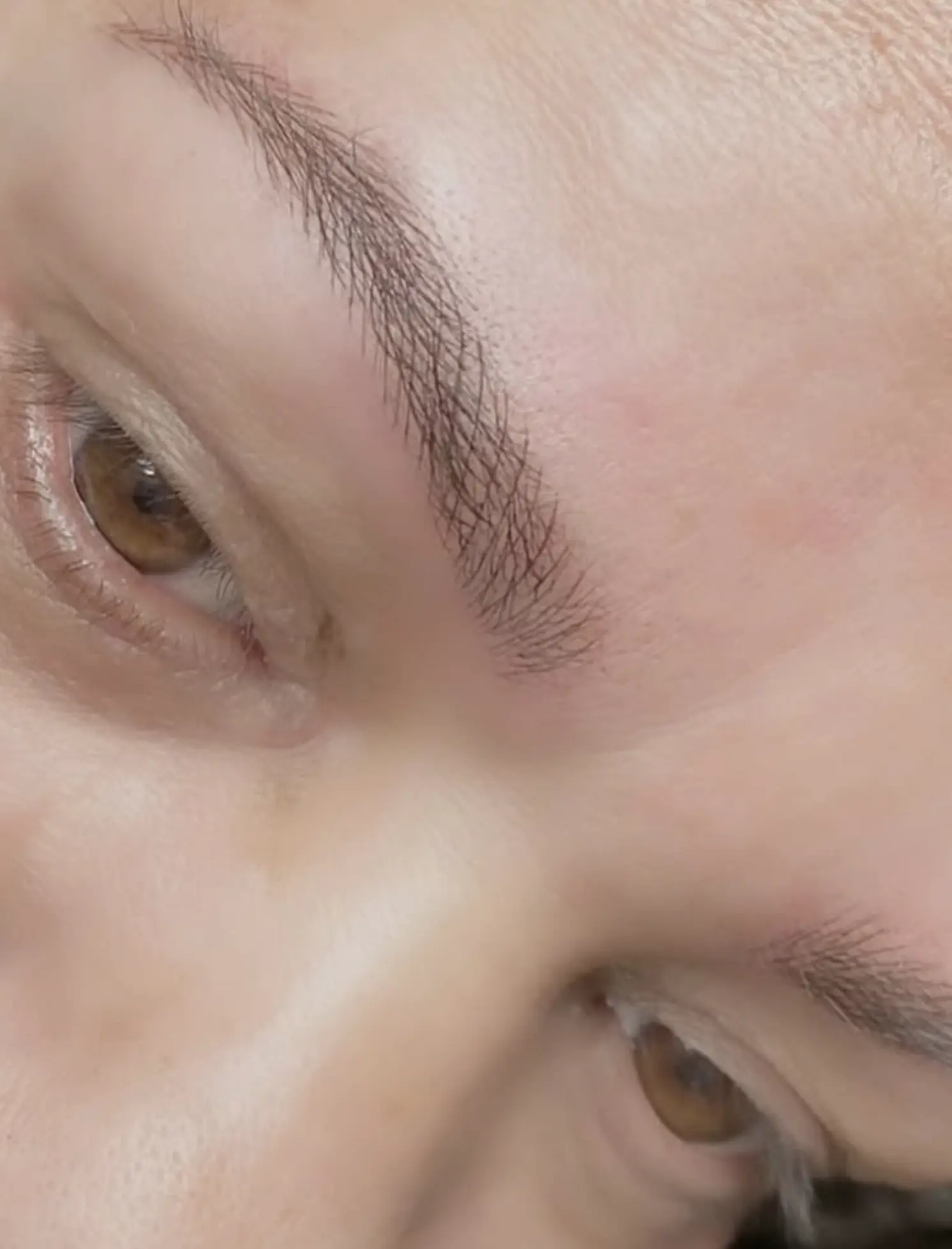
How to sleep with microbladed eyebrows is one of the first things new clients ask me after their microblading appointment. And honestly, it makes sense — the way you sleep can make or break your pigment retention, especially in those early healing days.
The healing process starts immediately after your session, when the semi-permanent pigment from the microblading hand tool is still settling into the skin. Your microblading artist will have given you aftercare instructions, but sleeping position is often the step people forget — and it’s one of the easiest ways to avoid pigment loss and patchy eyebrows later on.
If you’ve been researching microblading eyebrow treatments for months, this is one of those details you’ll be glad you knew in advance.
Contents
- 1 First Nights Are Key To Pigment
- 2 Side Sleeper Struggles And Solutions
- 3 Healing Stages And Sleeping Adjustments
- 4 Control Sweat, Sun, And UV Overnight
- 5 Protect Your Brows
- 6 Pillow Hygiene
- 7 Night Balm: Less Is More For Some
- 8 Itchy Stage: Danger Zone For Pigment
- 9 Weather And Seasonal Sleep Strategies
- 10 Follow-Up Appointment
- 11 Final Thoughts
- 12 FAQ
First Nights Are Key To Pigment
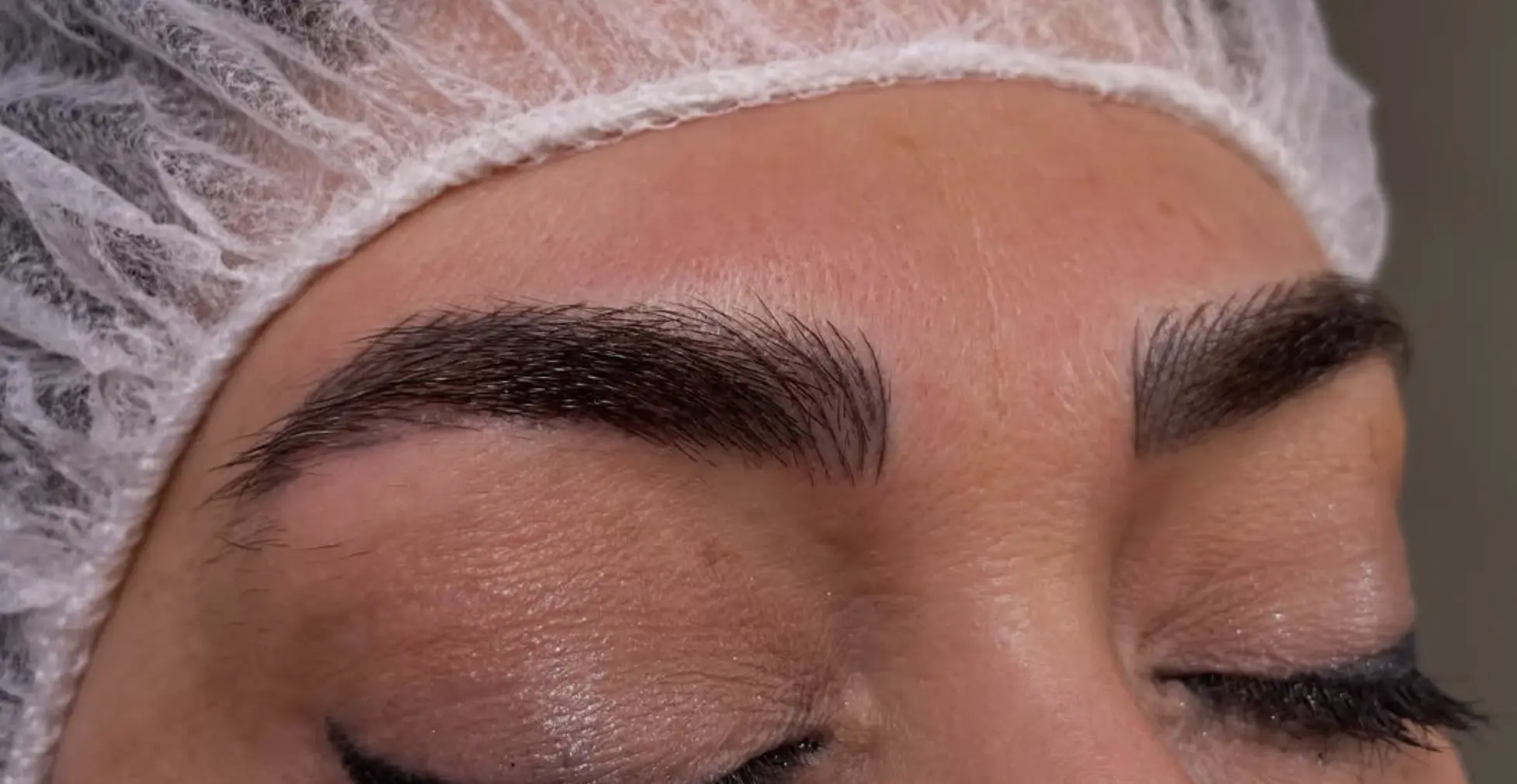
The first 48 hours after your eyebrow enhancement are when your microbladed brows are most fragile. This is when the pigment adhesion is at its most vulnerable and when proper aftercare matters most.
At my microblading studio here in Melbourne, I always tell clients: “Your sleeping position is just as important as how you wash your face this week.” Sleeping face-down or with your brow pressed into a pillow can cause pigment fading and disrupt the microblading healing process.
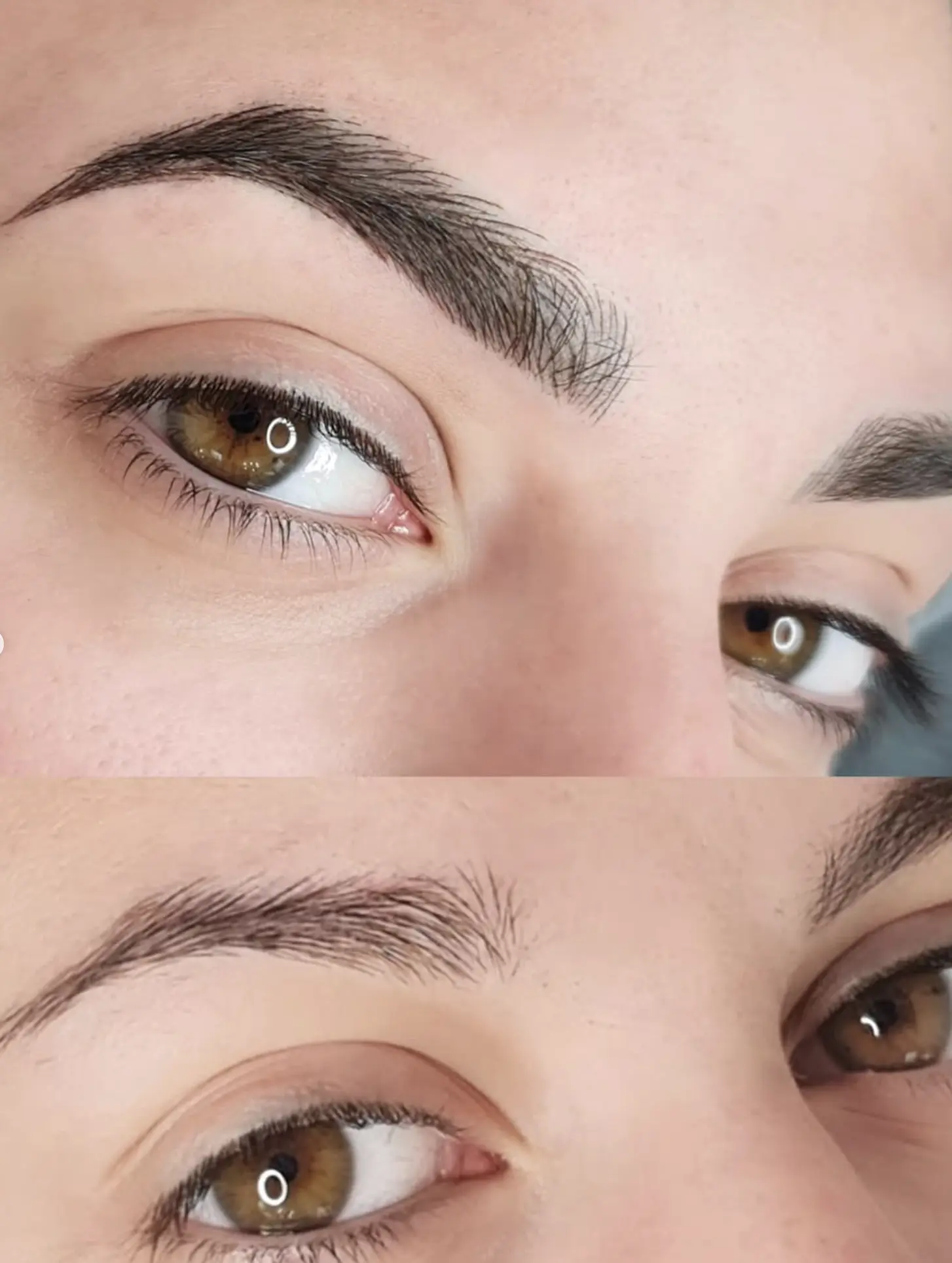
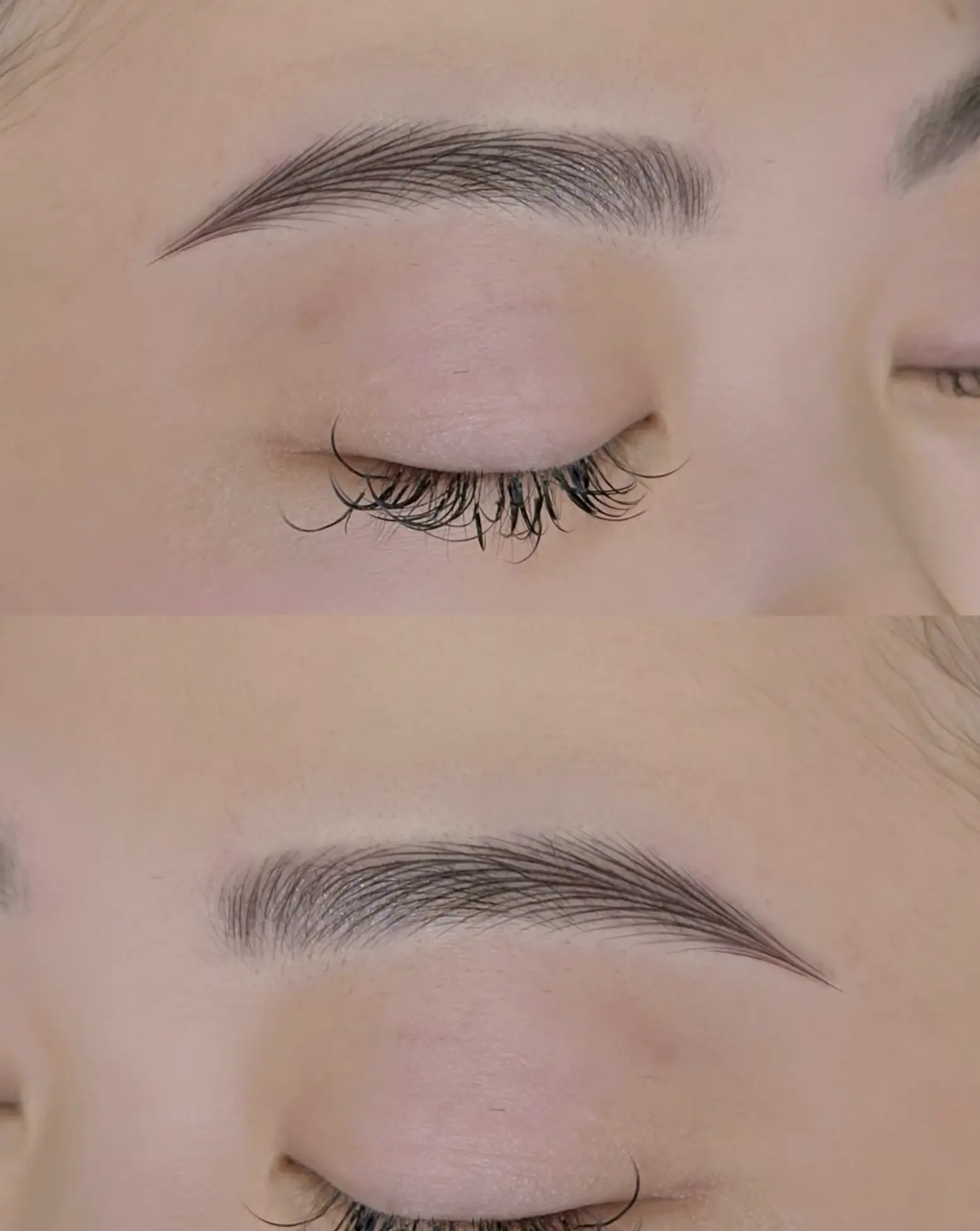
If you’ve ever seen the results from microblading eyebrows done right, you’ll know how crisp they look when healing is protected from day one.
Side Sleeper Struggles And Solutions
If you’ve been a side sleeper for years, changing your sleeping position overnight isn’t easy. But a few tweaks can save your new brow shape.
- Bolster pillows behind your back to encourage back sleeping.
- Neck or travel pillow for extra stability.
- Don’t rest your hand on your face — pressure here can cause uneven pigment adhesion.
One client who had just completed a microblading course told me she used a light sleep aid for a few nights to stay still and avoid rolling over. While it’s not for everyone, it worked for her lifestyle and helped her achieve better microblading results.
Healing Stages And Sleeping Adjustments
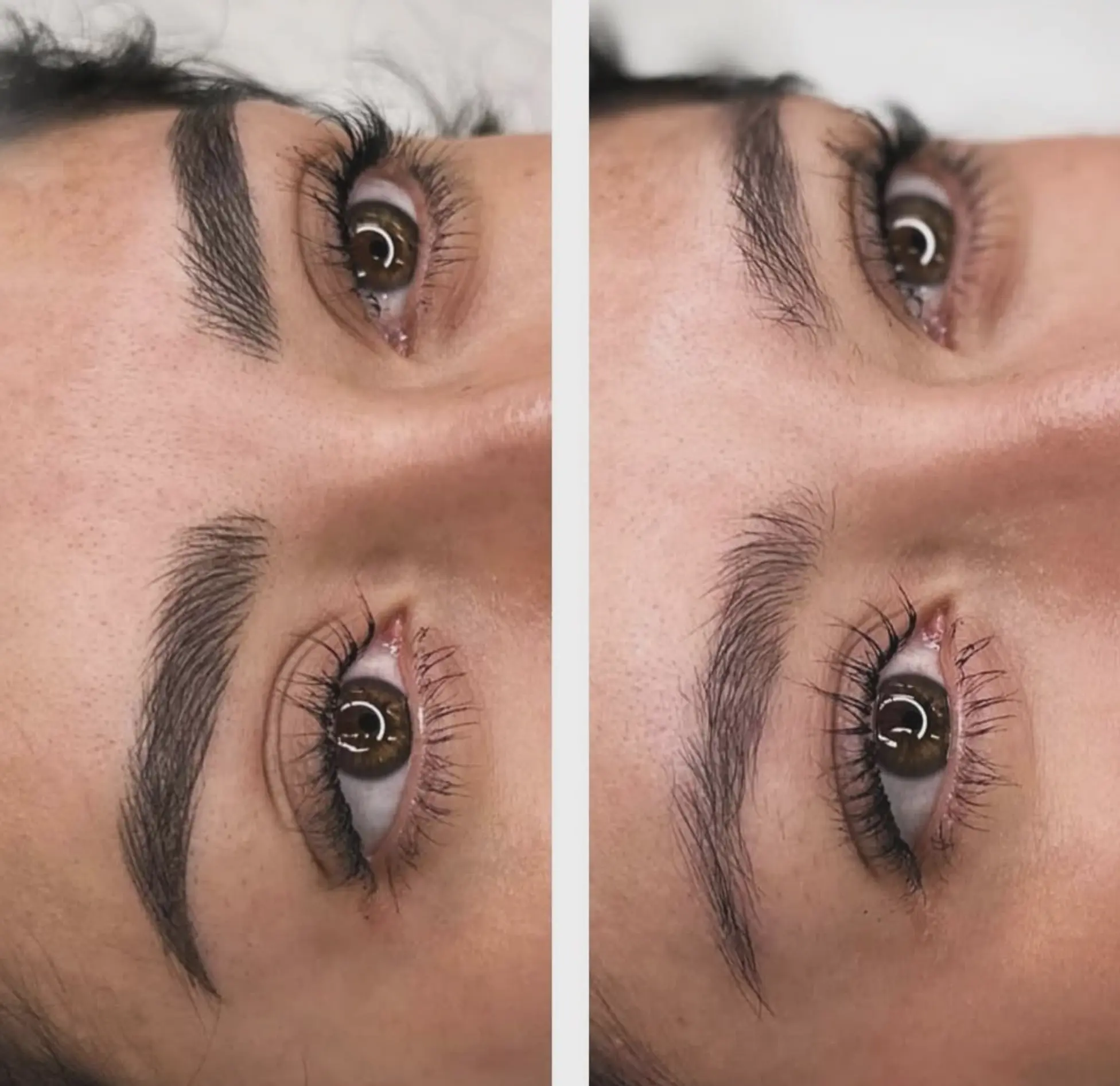
Your approach to sleeping will change as your healing skin progresses through the microblading healing process.
| Healing Stage | Days After Treatment | What’s Happening | Sleep Advice |
|---|---|---|---|
| Initial Healing | 1–3 | Pigment setting, skin closing | Strict back sleeping, no brow contact |
| Flaking Stage | 4–7 | Scabs form, and dry healing begins | Keep the pillowcase clean, avoid scratching |
| Itch Phase | 8–14 | Skin regenerating underneath | Back sleeping preferred, light balm if skin type is dry |
| Settling Stage | 15–30 | Pigment stabilising, touch-up planning | Can resume side sleeping if fully healed |
For first-timers to cosmetic tattooing, this is a handy reference for your first time with eyebrow microblading.
Control Sweat, Sun, And UV Overnight
Even in Melbourne, hot nights happen — and excess sweat during the healing process can push out semi-permanent pigment before it sets.
- Use a fan or aircon to keep the room cool.
- Skip heavy doonas during summer.
- Avoid direct sunlight or UV exposure in the morning — even through a bedroom window.
After you’ve invested in microblading, protecting your brows from UV rays will keep them looking fresh for longer.
Protect Your Brows
Even the most careful sleeper can turn into a restless roller at 3 am. To protect your microbladed brows:
- Try microblading shields.
- Add a pillow barrier next to your head.
- Tie long hair back to stop it catching on your brows.
One of my powder brows clients swore by a soft headband as a gentle reminder not to touch her brows during her sleep cycle. This is another tip I share with microblading eyebrow clients.
Pillow Hygiene
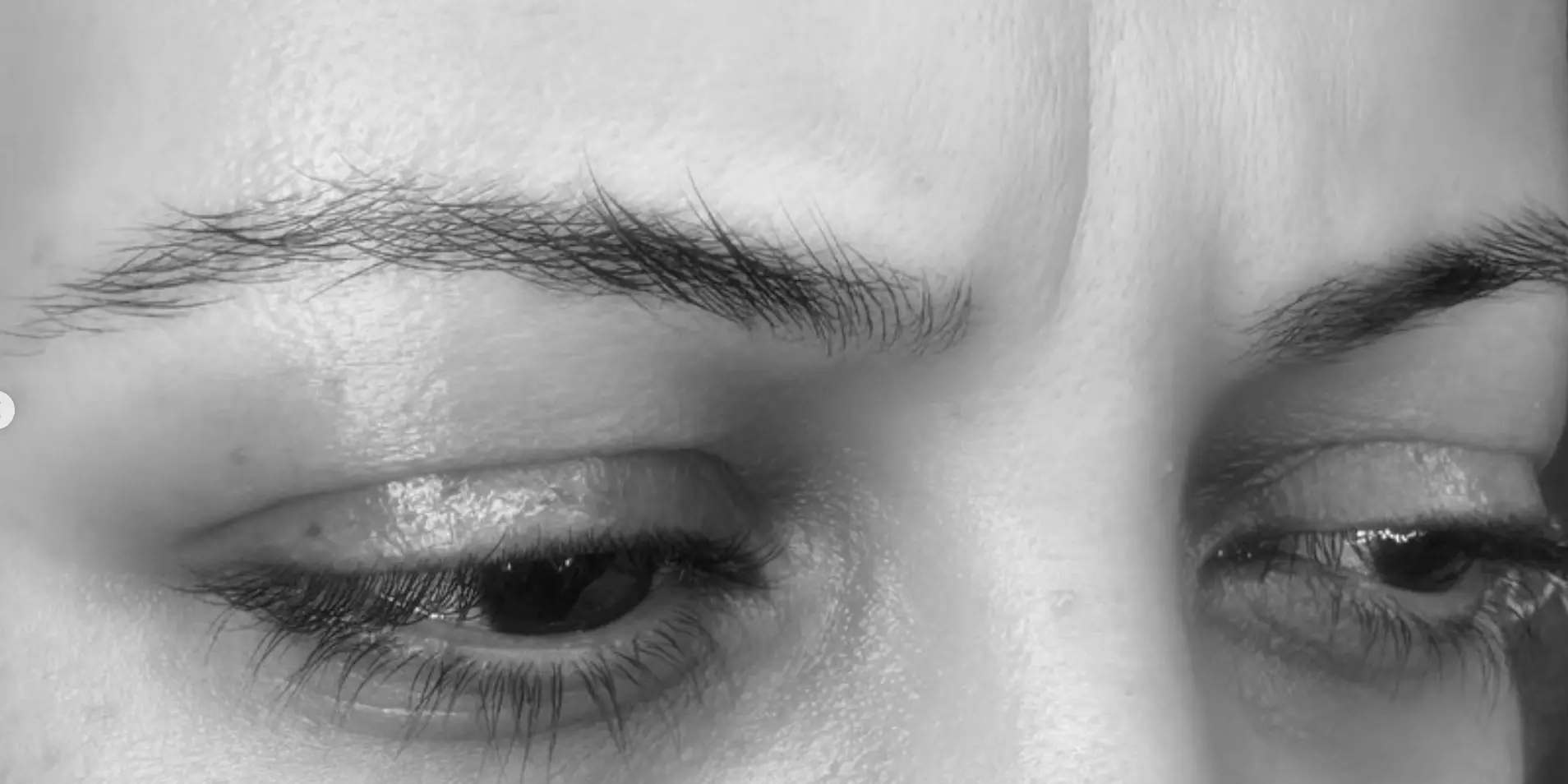
Fresh eyebrow tattoos are tiny open wounds. A clean pillowcase is non-negotiable for avoiding bacteria and helping pigment adhesion.
Switch to a fresh pillowcase every 1-2 nights during the healing process. Silk or satin is gentler on the skin and reduces friction — ideal for dry healing or wet healing methods, depending on your aftercare plan.
Night Balm: Less Is More For Some
If you have dry skin, a thin layer of approved balm before bed can prevent cracking and improve pigment retention. If you have oily skin, it’s best to skip overnight balm to avoid blocking pigment absorption. Your brow specialist will tailor aftercare instructions to you.
When you’ve just had microblading eyebrows done, it’s tempting to over-moisturise — but in most cases, less is more.
Itchy Stage: Danger Zone For Pigment
Itching around day 7-10 is common — it’s just your skin regenerating. But scratching, even lightly, can lift scabs early and cause patchy brows.
- Pat gently with the back of your hand if you wake up itchy.
- Keep the room cool to minimise irritation.
- Wear cotton gloves to bed if you can’t trust your half-asleep self.
Many microblading eyebrow clients say this is the hardest stage, but it’s short-lived and worth it for the final results.
Weather And Seasonal Sleep Strategies
Our Melbourne weather is unpredictable. In winter, heating can overdry the healing; in summer, humidity can slow the microblading healing process.
- Winter: Use a humidifier to prevent over-dryness.
- Summer: Keep the bedroom cool and avoid direct air blowing onto brows — uneven drying can affect pigment adhesion.
If you’re a beauty professional considering a microblading course, Melbourne’s weather is a real-life example of why aftercare advice should be tailored to local weather.
Follow-Up Appointment
After your follow-up appointment (usually 6-8 weeks later), you can relax with your sleeping habits, but don’t forget about UV rays. Sun protection is key for long-term pigment retention, whether you have microbladed brows, powder brows or a hybrid style.
For special occasions like photo shoots, I always tell clients to avoid last-minute touch-ups — allow healing time for your natural brows and enhancements to look their best.
Final Thoughts
Your sleeping position, pillow hygiene and sun protection play a bigger role in your eyebrow microblading results than most people realise. The first two weeks after your microblading appointment are your “investment phase” — look after your brows now and you’ll have crisp, even pigment for months to come.
If you’re in Melbourne and need tailored aftercare support, reach out via our form submission page, and if you get an error message, try again or contact me directly. At Face Figurati Cosmetic Tattoo Studio in Melbourne, we combine expert technique with personalised care to ensure your brows heal beautifully and last longer.
FAQ
Can I sleep on my side after microblading?
Not in the first week. Side sleeping can disturb pigment adhesion and cause patchy results.
Is it okay to wear an eye mask?
Not until after the scabs have gone — friction can damage healing brows.
Will sun exposure through my bedroom window affect healing?
Yes — UV rays can fade pigment during healing. Keep curtains drawn or wear sun protection indoors if you get strong morning light.
Should I use skincare products near my brows at night?
Avoid them until fully healed. Certain ingredients can cause pigment fading.
How long until I can sleep normally again?
Usually, after two weeks, once your healing skin is closed and pigment has settled.
{ “@context”: “https://schema.org”, “@type”: “FAQPage”, “mainEntity”: [ { “@type”: “Question”, “name”: “Can I sleep on my side after microblading?”, “acceptedAnswer”: { “@type”: “Answer”, “text”: “Not in the first week. Side sleeping can disturb pigment adhesion and cause patchy results.” } }, { “@type”: “Question”, “name”: “Is it okay to wear an eye mask?”, “acceptedAnswer”: { “@type”: “Answer”, “text”: “Not until after the scabs have gone — friction can damage healing brows.” } }, { “@type”: “Question”, “name”: “Will sun exposure through my bedroom window affect healing?”, “acceptedAnswer”: { “@type”: “Answer”, “text”: “Yes — UV rays can fade pigment during healing. Keep curtains drawn or wear sun protection indoors if you get strong morning light.” } }, { “@type”: “Question”, “name”: “Should I use skincare products near my brows at night?”, “acceptedAnswer”: { “@type”: “Answer”, “text”: “Avoid them until fully healed. Certain ingredients can cause pigment fading.” } }, { “@type”: “Question”, “name”: “How long until I can sleep normally again?”, “acceptedAnswer”: { “@type”: “Answer”, “text”: “Usually, after two weeks, once your healing skin is closed and pigment has settled.” } } ] }