
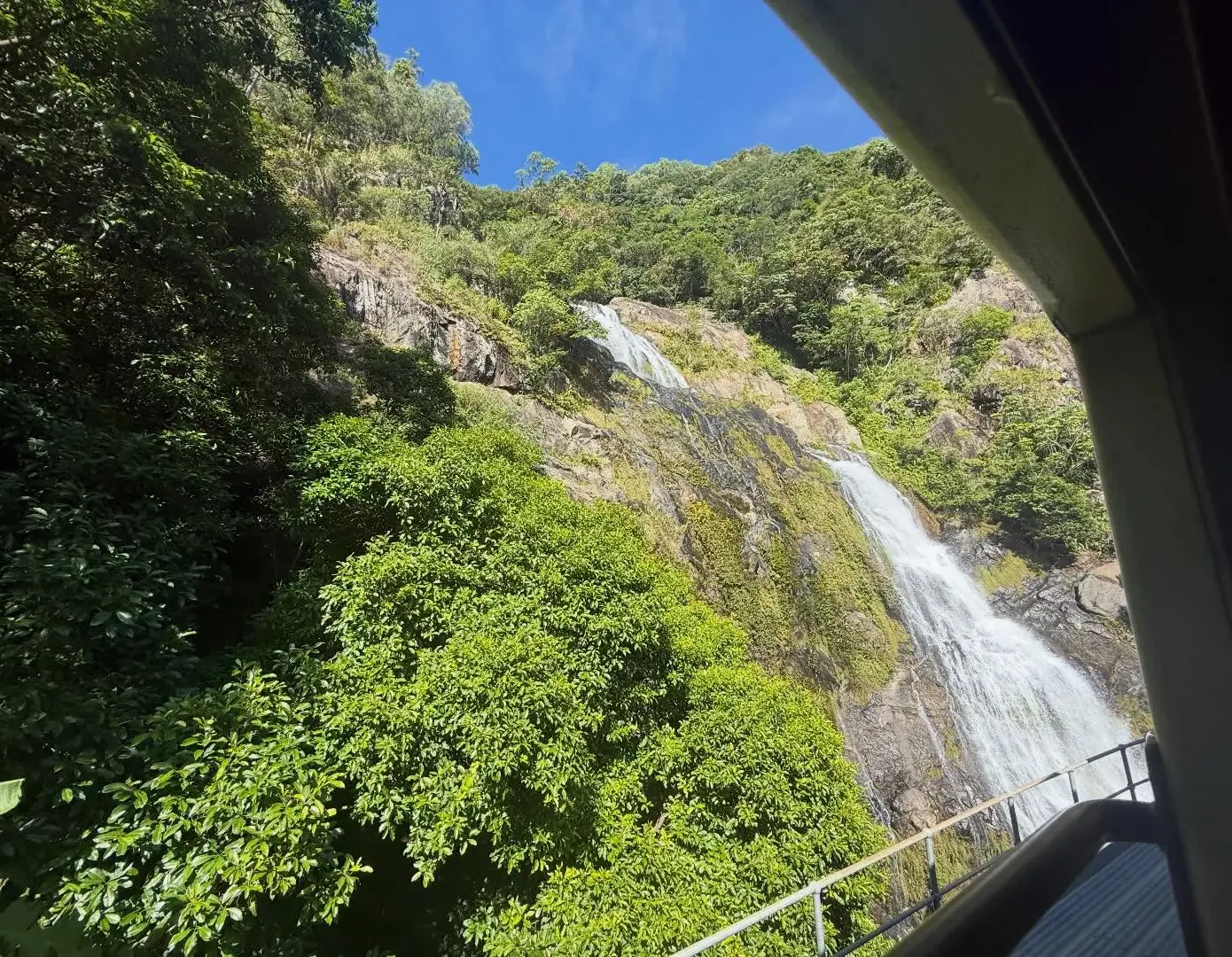
Is the Kuranda Scenic Railway wildlife tour worth it in 2026? Be prepared to be underwhelmed if you go in expecting too much. I’ve led tours through this part of Far North Queensland more times than I can keep track of & the biggest problem isn’t the trip itself – it’s people’s high hopes.
This is NOT a 4×4 wildlife adventure. It’s a winding old train ride through the Wet Tropics, one of the oldest continuous rainforest systems on the planet, where the view is what does it all & spotting wildlife is a nice bonus if you get lucky. When we plan itineraries for Wildlife Tours through this part of the world, we treat the Kuranda Train as a key scenic anchor – not the main event.
Just get your head around that, and you’ll actually enjoy it. But get your expectations all wrong & you’ll spend the whole ride wondering where all the animals are.
Contents
- 1 The Train Ride Itself — Taking it slow & Steady
- 2 The Waterfall Stop – Weather Matters
- 3 Wildlife On The Tracks – Don’t Get Your Hopes Up
- 4 Kuranda Village – More Than A Stopover
- 5 Skyrail – A Better View Of Your Day
- 6 Ground Vs Canopy – Key Differences
- 7 Seating Choices — Is The Upgrade Really Worth It?
- 8 Seasonal Conditions – What To Expect
- 9 Planning The Day Without Rushing It
- 10 Cost Breakdown – Where the Value Lies in 2026
- 11 Small Details That Improve The Experience
- 12 Where It Fits Into A Broader Trip
- 13 Common Pitfalls To Watch Out For
- 14 Final Verdict – Is It Worth Doing?
- 15 Final Word — Setting The Right Expectations
- 16 FAQ
The Train Ride Itself — Taking it slow & Steady
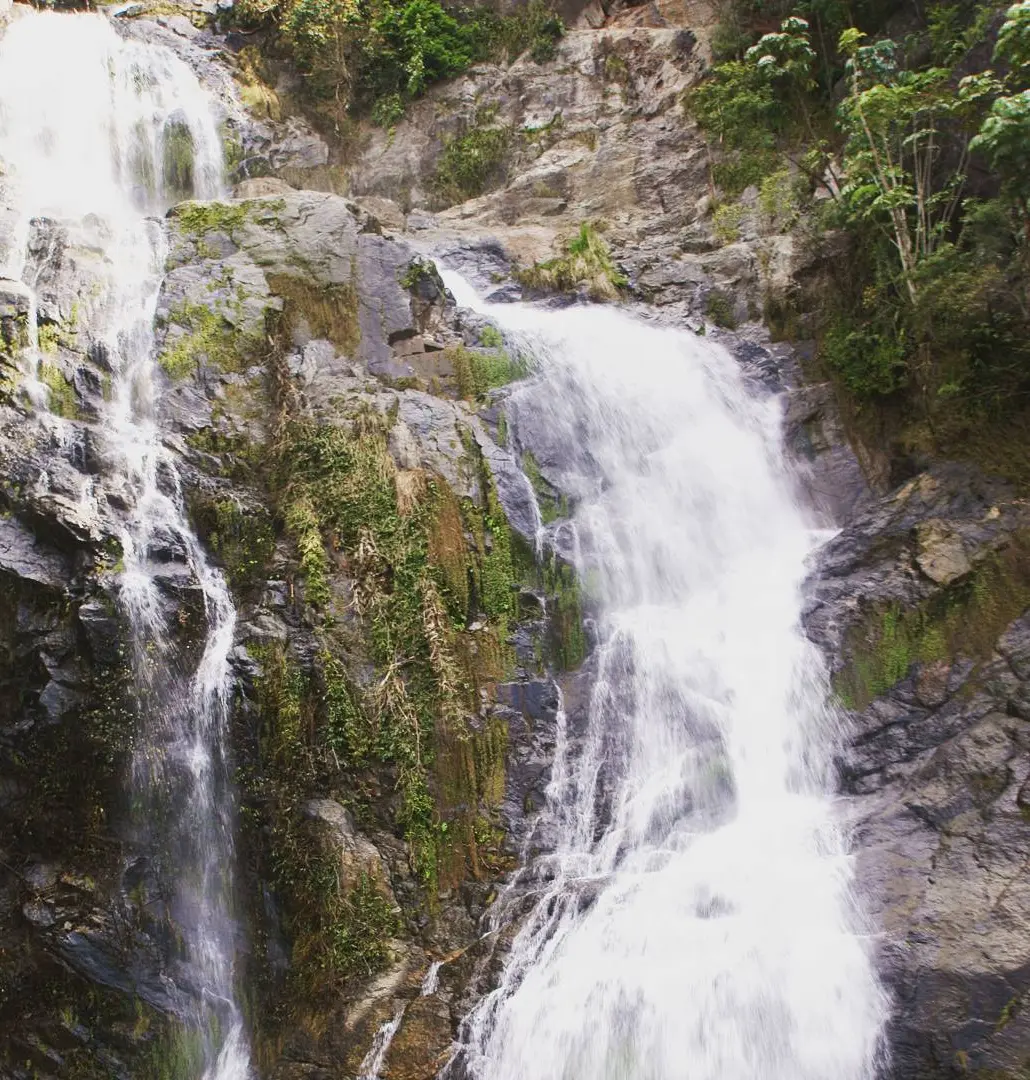
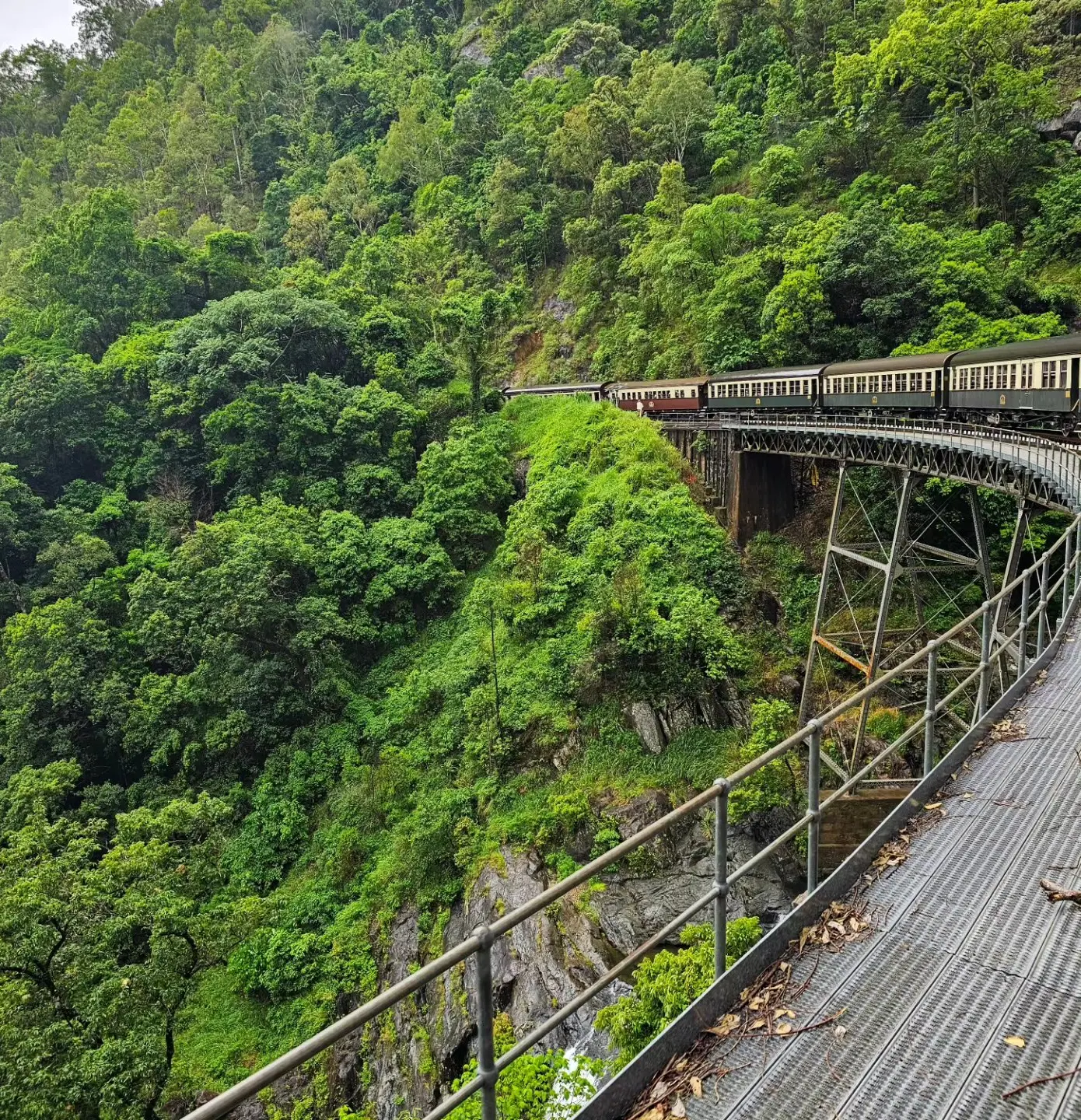
The Kuranda Train is old school – a genuine Heritage Train that’s been chugging through the hills since the 1890s & still manages to carve its way through some seriously steep rainforest. You get the feel of history here.
You’ll trundle out of Freshwater Station, ease up through the jungle, then take it slow as you hug cliff faces & cross over some seriously impressive old bridges that still feel a bit ‘aha’.
It’s a slow burn & the windows are open so you can soak up the humidity. You don’t rush – you just sit back & enjoy the view.
The Waterfall Stop – Weather Matters
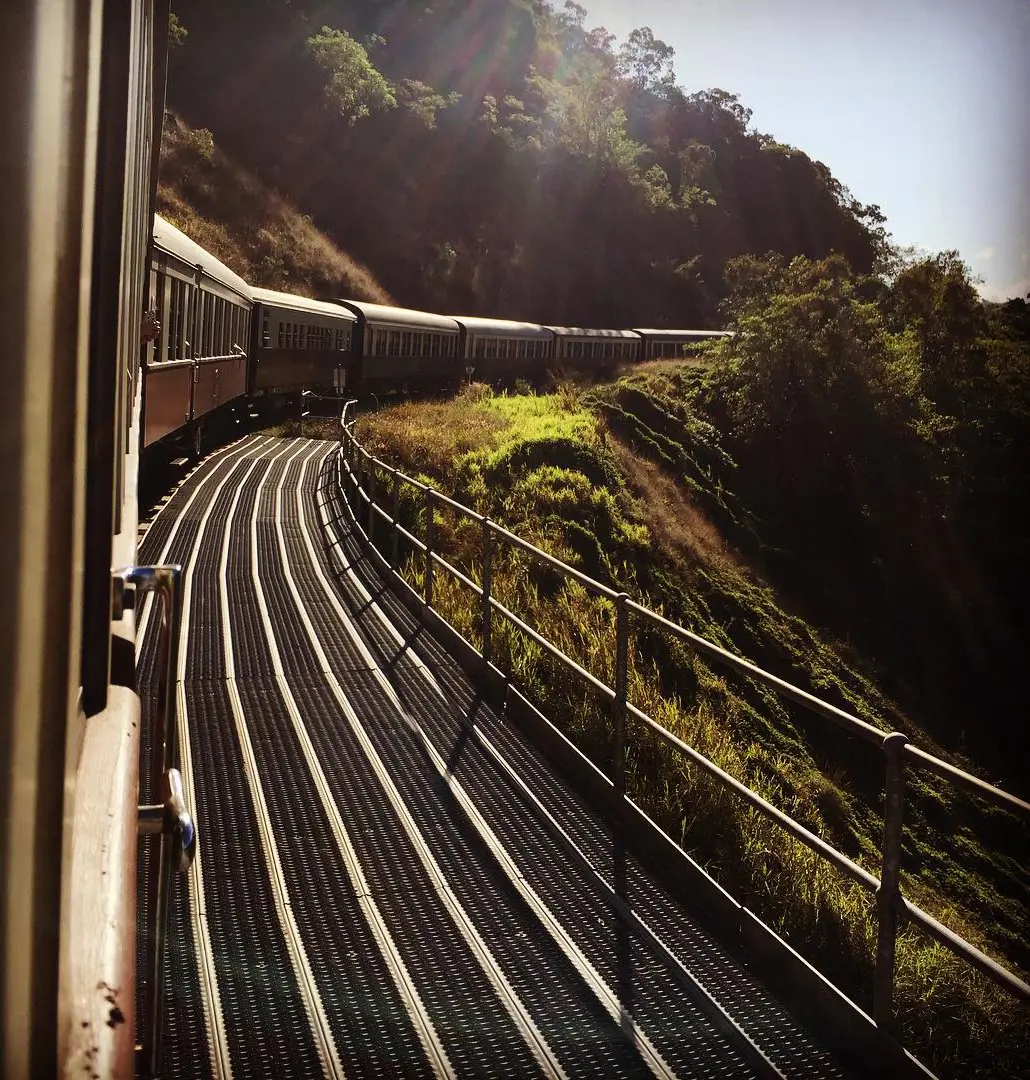
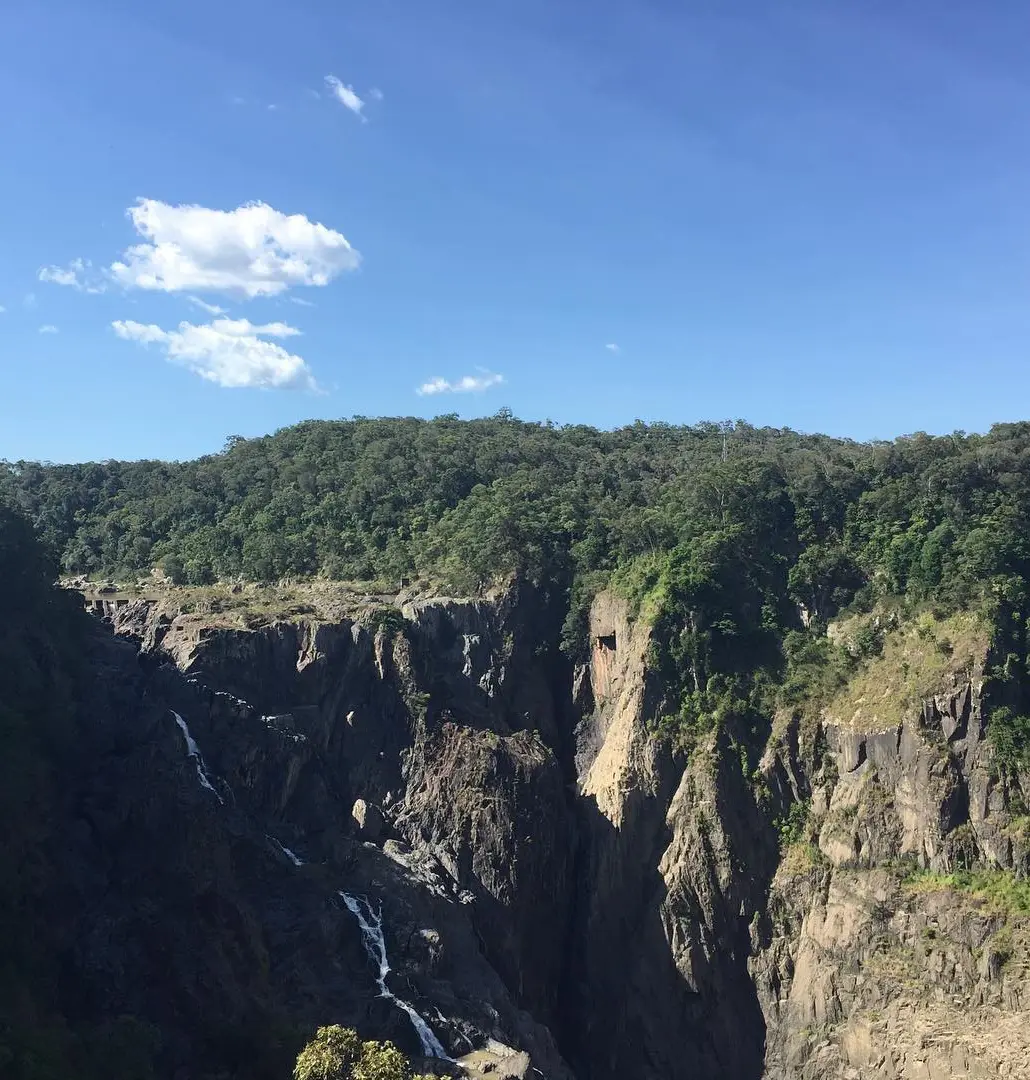
Halfway through your trip & you get to stop off at Barron Falls Station & take a breather while you watch Barron Falls tumble into the gorge.
Here’s the thing: it’s different every time
- In the wet, wet, wet, the falls are loud & fast & most impressive
- In the dry, they’re a bit more laid back – but still make a real impression.
Its the setting that matters – the rainforest clinging to the sides of those steep rocks. That’s what makes it memorable.
Wildlife On The Tracks – Don’t Get Your Hopes Up
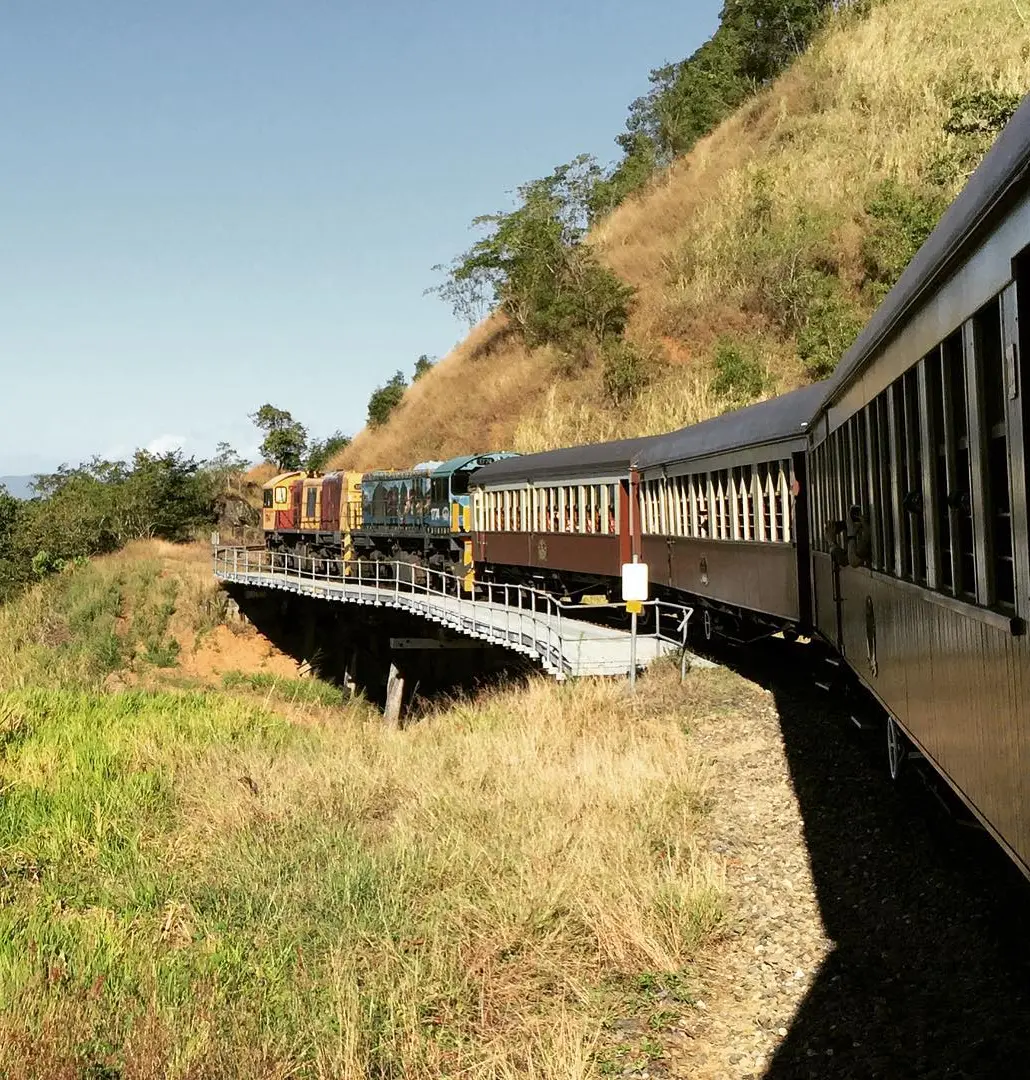
Let’s get this straight: there’s no guarantee you’ll see oodles of wildlife. You might catch a glimpse of a bird or two – or maybe a butterfly flitting about – but the dense rainforest means most of the critters will stay hidden from view. So, I always give the lowdown to tourists: if wildlife is your main priority, then you need to plan ahead
Thats exactly what we do on Wildlife Tours – we pair this with other activities rather than relying on it being the main show.
Kuranda Village – More Than A Stopover
When you step off the bus into Kuranda Village, you touch down in a completely different vibe. This is a tiny little rainforest town with an awesome mix of stuff to see, do, and just soak in, all wrapped up in a nice bit of laid-back tropical charm.
Rather than just wandering around with no direction, think about what you want to do with your time here. The standout place for getting up close and personal with the local wildlife is definitely the Kuranda Koala Gardens – you don’t have to hope for a glimpse from the train – you can really get a good look at the native critters.
If you’ve got the time, take a stroll through the Heritage Markets for a bit of local colour, and if you’re up for it, some of the shorter walks like the Jumrum Creek Walk or the nearby Rainforest Walks will give you a feel for the place without tying you down.
There’s also loads to learn about the culture and history tied to stories like the Guriguri Bunda – and it’s worth taking the time to understand that this place is a lot more than just a tourist destination.
Skyrail – A Better View Of Your Day
And then the Skyrail comes along and changes everything from ‘nice’ to ‘completely worth it’.
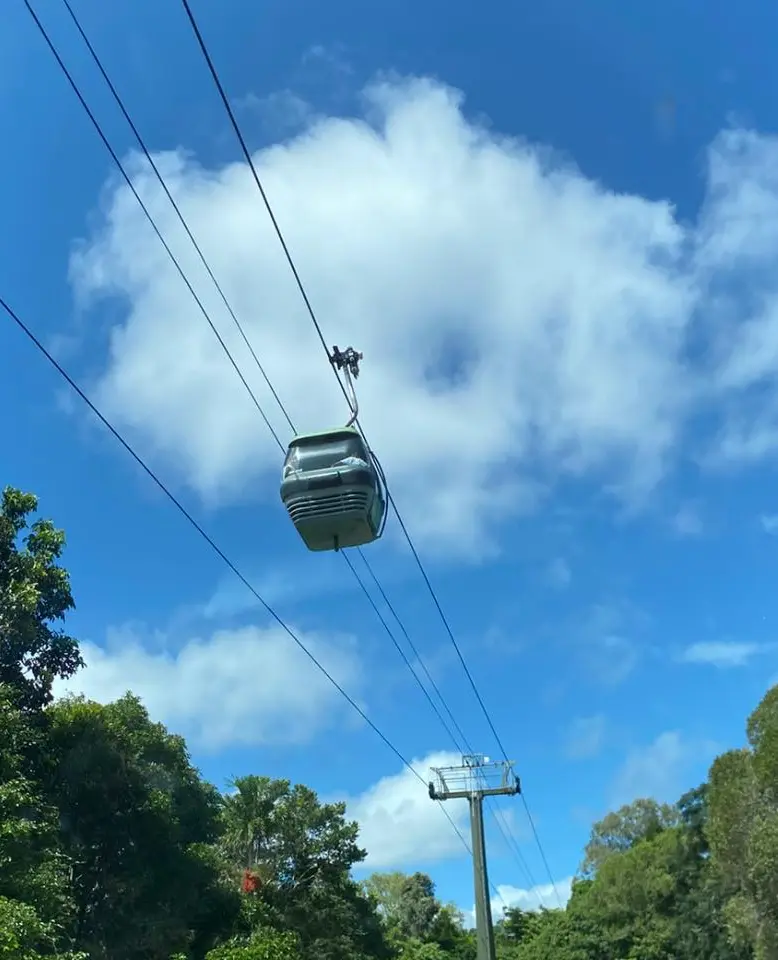
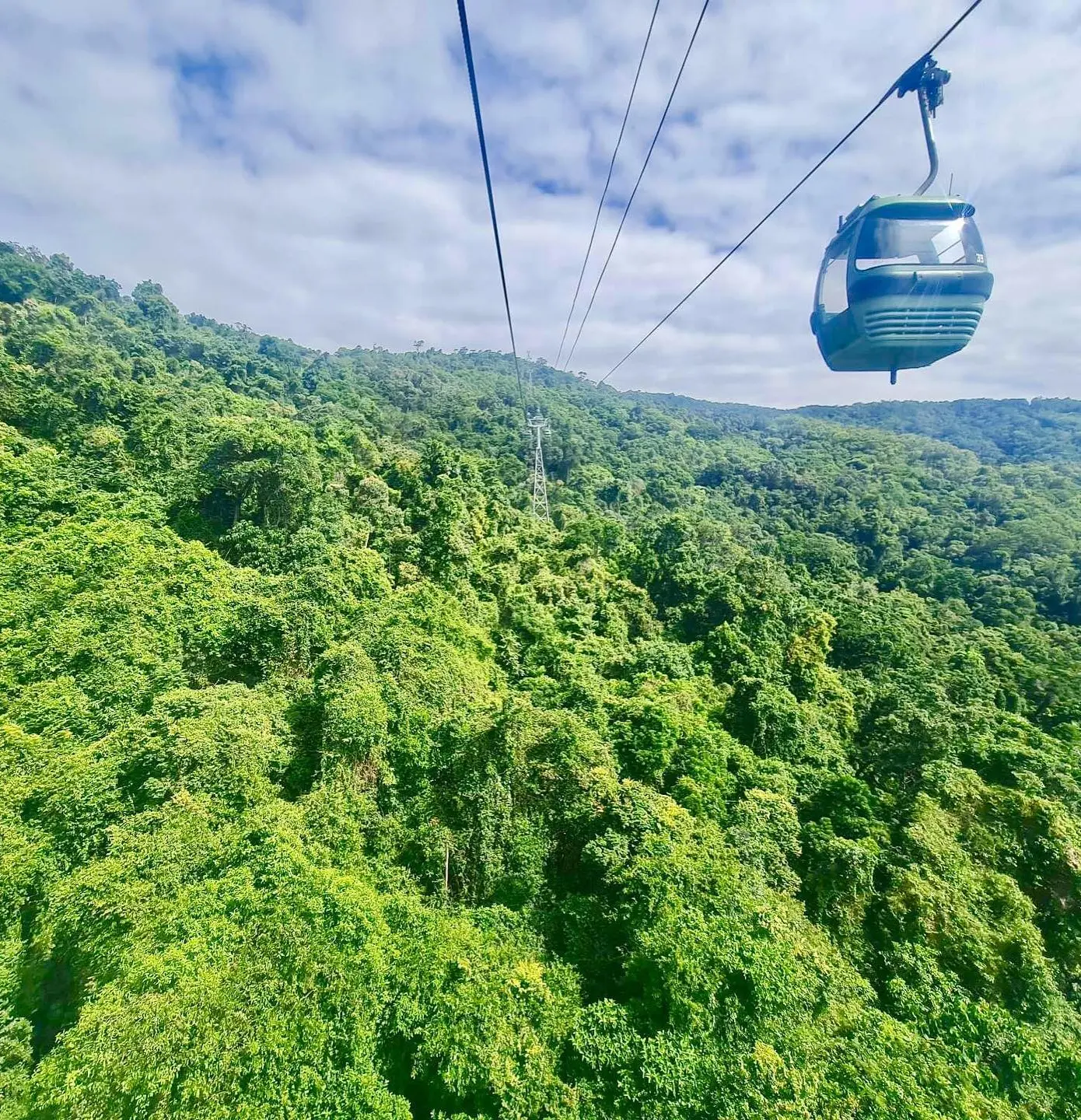
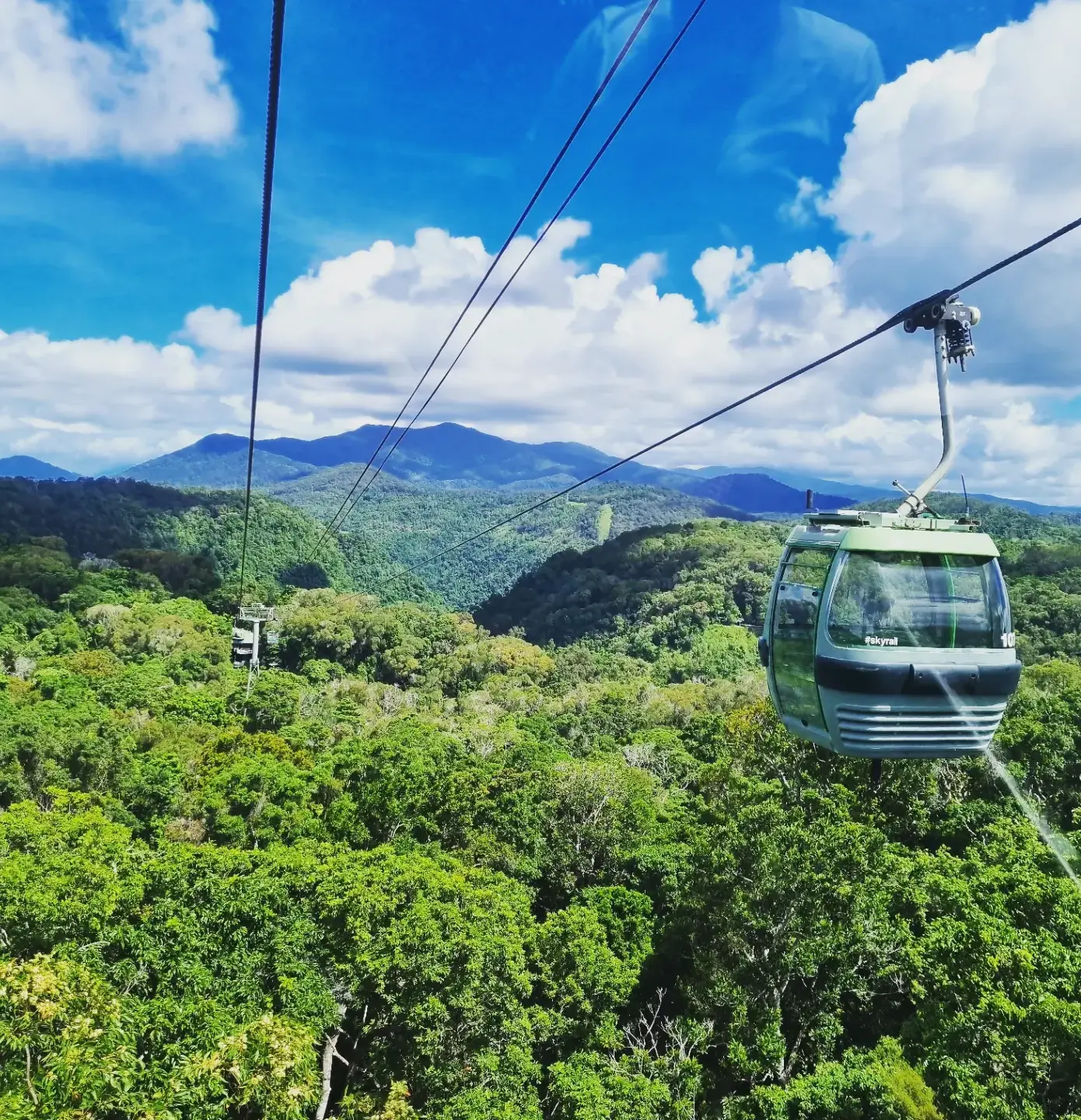
The Cableway, or as it’s more commonly known around here – the Kuranda Skyrail – is basically a cloud-hopping experience in enclosed gondola cabins that lets you float high above the rainforest canopy.
Stops like Red Peak Station and Barron Falls Station let you step out onto the Rainforest boardwalks, follow the short Jungle Walks, and get a better feel for the place through some interpretive signage or one-on-one with a Ranger, who will give you a guided tour from the Skyrail Rangers.
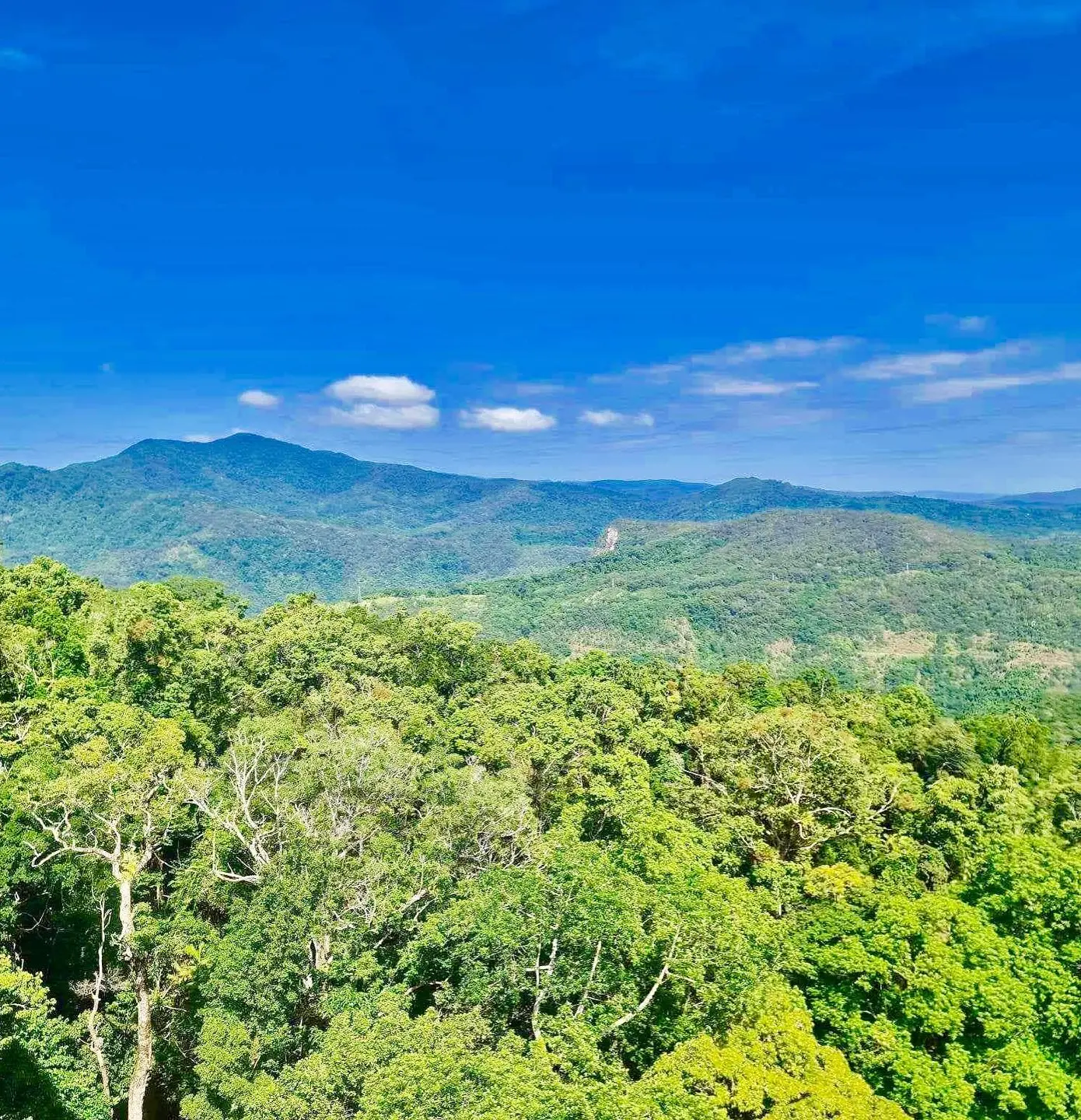
Looking down on it all from above makes all the difference – you’re way more likely to spot movement – birds flitting between trees, the canopy shifting in the breeze – and all that makes a big difference to your chances of spotting some real wildlife.
And if you’re after a bit of a novelty, the Diamond View gondolas have glass floors, though it’s not strictly necessary.
Ground Vs Canopy – Key Differences
| Experience Element | Kuranda Train | Skyrail Cableway |
| Perspective | Close to the rainforest | Above the canopy |
| Movement | Slow rail journey | Suspended glide |
| Wildlife Visibility | Limited | Improved from above |
| Key Stops | Barron Falls Station | Red Peak Station, Barron Falls Station |
| Comfort | Open-air feel | Enclosed cabins |
The smartest way to do it? We get the best of both worlds by combining the two; it’s come to be the way we usually structure most itineraries in Wildlife Tours, since each experience does fill in the blanks for the other.
Seating Choices — Is The Upgrade Really Worth It?
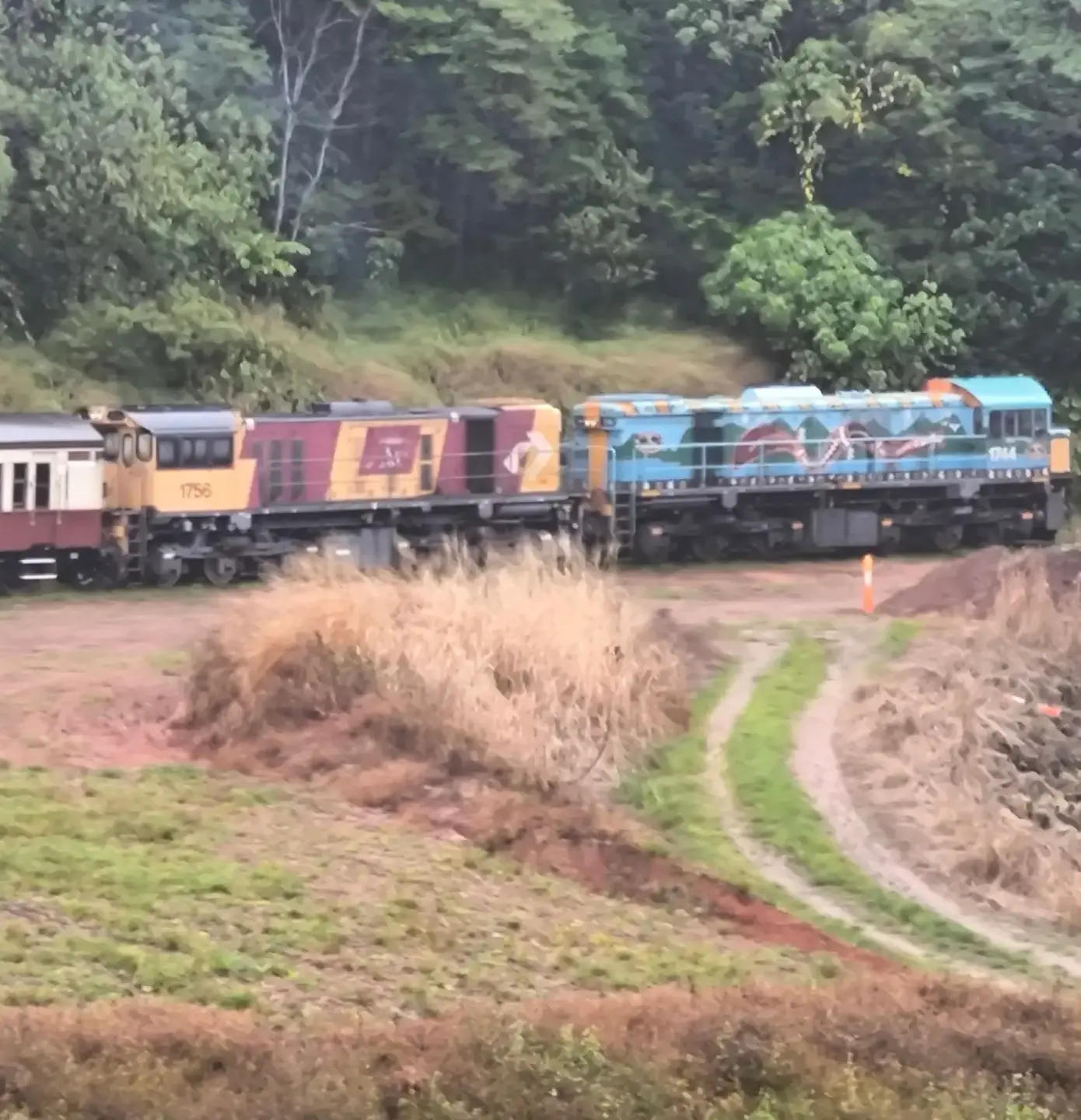
On the train, you’ll have to choose between Heritage Class and splashing out for the Gold Class Upgrade.
Heritage Class keeps things straightforward – open windows, regular seating, the classic train feel, you know the sort of thing. Gold Class, on the other hand, adds a bit more comfort, a bit more space, and, of course, some refreshments.
If you’re planning to take the trip during peak season or just prefer a bit more elbow room, the upgrade is a good call. But if you’re looking to save a bit of cash, the standard option still delivers the essence of the experience.
Seasonal Conditions – What To Expect
Far North Queensland has its fair share of extremes – and we mean two real seasons, not just some mild climate nonsense.
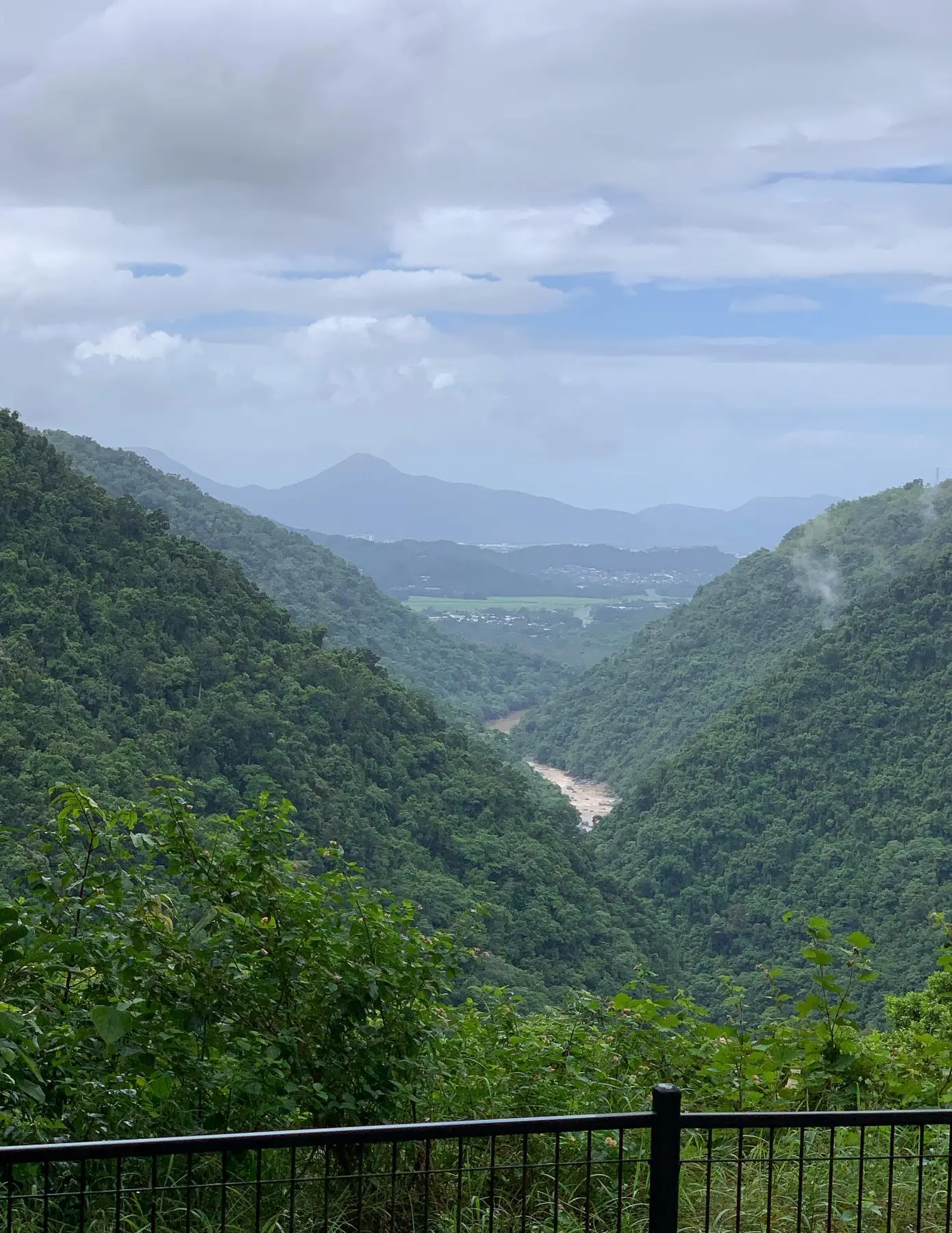
The dry season does bring clearer skies but also makes things a bit easier, generally speaking. The wet season, on the other hand, turns the whole place green and lush – waterfalls are more impressive, but the heat is pretty stifling.
I’ve done the trip in both the wet and the dry, and let me tell you, the wet is just something else. The heat just clings to you; it’s the kind of heat that’s almost impossible to shake.
Planning The Day Without Rushing It
Getting the plan right makes a huge difference.
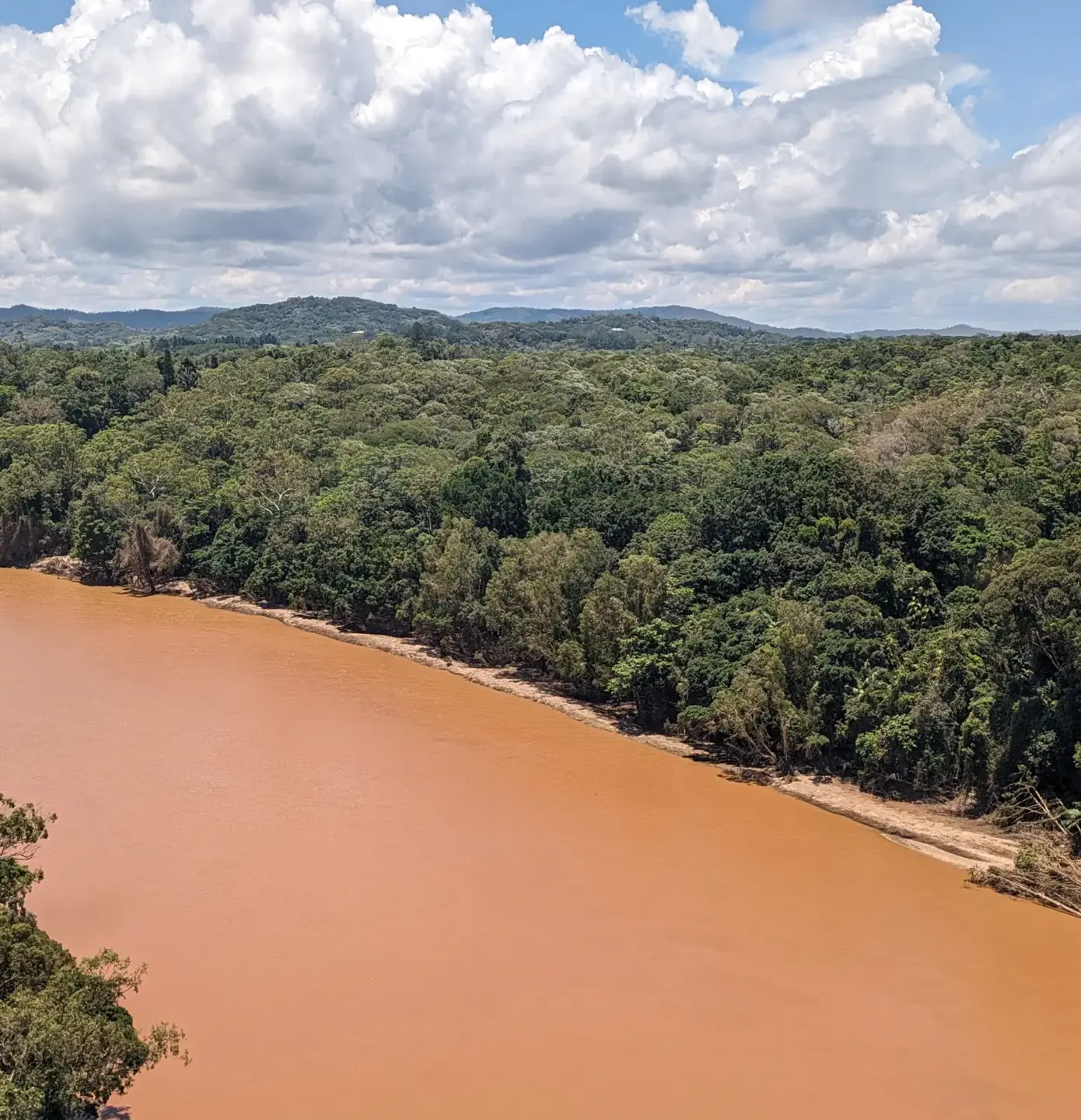
Try breaking it down with a sensible approach – do one bit of travel at a time, then the other, and explore Kuranda at a gentle pace. Don’t be too ambitious, leave some breathing room – make sure you can stop off at all the points of interest like Red Peak Station and Barron Falls Station without feeling like you’re missing out on anything.
We get a lot of people telling us that structuring this trip is a bit like planning an amazing day trip along the Ocean Road. Sounds easy enough on paper, but trust me, you can easily overload it if you’re not careful.
Cost Breakdown – Where the Value Lies in 2026
Costs shift up and down, but use this as a rough guide:
- Train – usually anywhere from $55–$85 one way – that’s the ticket price.
- Skylrail – somewhere between $95–$130 one way
- Put both together, and you’re looking at around $150–$220
You’re effectively paying a premium for access to some of the best bits of protected rainforest and the benefit of some well-organised, pretty low-fuss arrangements.
And don’t get confused – you’re not laying out cash for guaranteed wildlife sightings or non-stop action. That makes a difference.
Small Details That Improve The Experience
Some pretty nitty-gritty stuff actually makes a big difference.
For a start, get the Skyrail app – some versions actually include augmented reality bits that do a great job of helping you understand what you’re looking at. And don’t be afraid to tap into the knowledge of Skyrail Rangers, rather than racing against the clock. Also, be sure to stop at the stations rather than nipping through.
And another thing – don’t be shy about drinking plenty of water – more than you probably need, to be honest.
Where It Fits Into A Broader Trip
This works best when it’s part of a bigger Far North Queensland adventure.
You could combine it with a reef trip to the Great Barrier Reef or Green Island, or maybe head north towards Port Douglas or even inland to the Atherton Tablelands.
Some people even like to try to squeeze it in with a Great Ocean Road 1 day tour with Wildlife tours – and it just about works if you pace yourself properly.
Common Pitfalls To Watch Out For
The biggest mistakes are pretty basic:
- Expecting a constant stream of wildlife sightings
- Cutting the Skyrail out of your plans
- Overloading your itinerary
- Not doing your homework on the local climate
Keep your expectations a bit more grounded, and you’ll get a lot more out of it.
Final Verdict – Is It Worth Doing?
Yeah, it is – but only if you get the approach just right.
If you team up the train with the Skyrail, give yourself time to explore Kuranda, and treat the whole thing as a relaxing scenic route rather than a wildlife-spotting mission, then it’s all good.
But if you’re expecting animals to jump out at you every five seconds, then you’re going to be sorely disappointed.
From my perspective, it’s a solid addition to any Far North Queensland itinerary – and when I’m building trips with Wildlife Tours, it’s one of the tried-and-true experiences that I know will always deliver.
Final Word — Setting The Right Expectations
Its not just about ticking everything off your wildlife checklist – though that is pretty cool. It’s about really immersing yourself in this incredible ancient rainforest, taking in the sights and sounds, and just enjoying the journey as you go.
If you do that, then this experience really holds up well, even all these years later in 2027.
Need some help fitting this into your travel plans? No problem – we’re always happy to give you the lowdown on what’s working for our guests right now.
FAQ
Are you going to see a bunch of animals on the way?
Not really. Wildlife can pop up, but it’s not a guarantee because the rainforest is so dense.
How long do I need to spend in Kuranda?
A few hours will do – that way you can get a good taste of the main Kuranda attractions without rushing around like a mad person.
Does the time of year make a big difference?
Yeah, it does. The wet season is pretty special because it’s like the whole place comes alive, while the dry season is way more comfortable for hanging out.
Is it easier to just book everything together at the same time?
Yes, it is. If you get one of our package deals with Accommodation transfers and all that, it makes life a whole lot simpler and less stressful.
Who is this experience best for?
This trip is perfect for people who just want a scenic, laid-back day and aren’t looking for some high-adrenaline adventure.