

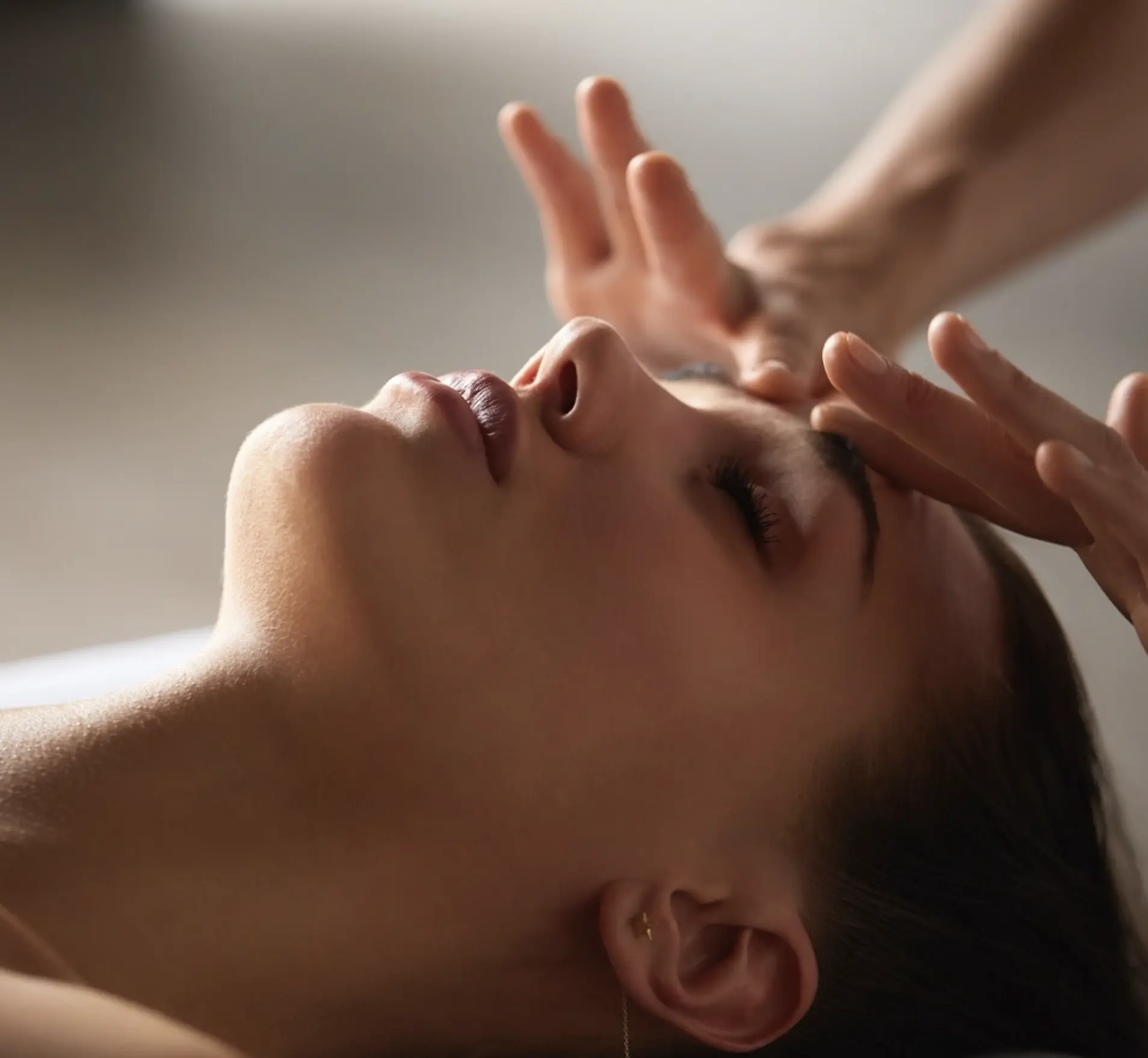
Should I use my microcurrent device before or after a manual massage? To be honest, most of the time I recommend using your microcurrent device after a manual massage, not the other way round. I’ve found that a good, old-fashioned facial massage is the perfect way to get your skin and muscles ready for the device. When I work with clients, I find that a hands-on massage helps to warm up the tissue, relax facial muscles, get the blood flowing (and I mean really flowing!), and generally just get the skin nice and ready for a treatment.
Contents
- 1 A Warm, Honest Answer Before You Plug Anything In
- 2 Why Hands-On Prep Creates Better Device Results
- 3 Especially Helpful In Brisbane And Melbourne Conditions
- 4 Times To Start With The Device Instead
- 5 The Most Effective At-Home Sequence
- 6 What are the Finishing Step Changes
- 7 Choosing Based On Your Skin Needs
- 8 What 2026 Beauty Trends Are Showing
- 9 Hygiene Habits That Protect Your Skin
- 10 Common Errors That Limit Results
- 11 My Honest Professional View
- 12 When Professional Support Makes More Sense
- 13 Final Thoughts From The Treatment Room
- 14 FAQ
A Warm, Honest Answer Before You Plug Anything In
We’ve all been there – scrolling through social media and coming across a million different opinions on the ‘right’ way to do things at home. Some people swear by microcurrent first; others say hands-only is the way to go; and then there are the ones who use frozen spoons and talk about collagen production… yeah, we’ve all seen it.
But the truth is actually much simpler. The reason it matters is that your skin and muscles respond differently to touch and electrical stimulation. A manual massage is great at getting the blood flowing, working out knots in the fascia and lymphatic drainage, and generally just relaxing your muscles. A microcurrent device, on the other hand, is designed to deliver a low-level electrical current that gives your facial muscles a bit of a wake-up call and can sometimes leave your skin looking smoother and more toned.
If you’re using a combination of both, getting the order right can make your whole skincare routine much more effective.

Why Hands-On Prep Creates Better Device Results
When I’ve got a client who’s feeling stressed or whose skin looks a bit off, I always start with the hands. Manual massage works wonders at:
- Unwinding overworked facial muscles.
- Getting the blood moving (and not just a little bit, either – we’re talking proper circulation here).
- Helping out with lymphatic drainage (which is basically just getting the gunk out of your face).
- Softening out tension around the jaw, temples, and forehead.
- Generally, it just makes your skin feel happy and hydrated.
Think of it like stretching before you hit the gym. If your muscles are stiff and your skin is dry and congested, jumping straight into a microcurrent facial treatment can be a bit of a struggle.
A gentle 5-10 minute facial massage is usually the perfect warm-up.
Especially Helpful In Brisbane And Melbourne Conditions
We get a lot of clients from Brisbane and Melbourne, and it’s often the same story – they’re dealing with puffiness and congestion from humidity or dry skin. A little manual massage before using the device helps loosen things up and get the blood flowing, which is exactly what you need to tackle those conditions.
Times To Start With The Device Instead
Now, I know some people might say, “But wait, what about if I use the device first?” Well, it’s not the end of the world if you do – there are times when it might even make more sense to use the device first.
You might choose to go device-first if:
- You’re just doing a quick pre-makeup lift
- You want to target a specific area, like the jawline or cheekbones
- Your massage product is oil-based and can’t be used under the device
- You’re keeping treatments separate and distinct
- You’re using a special gel or primer specifically designed for microcurrent treatments
Some people find that a 5-minute microcurrent session followed by a finishing massage with facial oil works really well for them. And that can be totally fine too. But if I had to pick one general rule that usually works best, what would it be? Massage first, microcurrent second.

The Most Effective At-Home Sequence
You don’t need a 14-step ritual or a shelf full of mystery serums.
Recommended Order
| Step | What To Do | Why It Helps |
|---|---|---|
| 1 | Cleanse skin thoroughly | Removes SPF, sweat, and oil |
| 2 | Apply water-based conductive gel | Needed for most microcurrent devices |
| 3 | Manual massage (5–10 mins) | Relaxes tissue, boosts circulation |
| 4 | Microcurrent device (5–15 mins) | Supports muscle toning and temporary lift |
| 5 | Finish with hyaluronic acid serum or moisturiser | Hydration + skin barrier support |
| 6 | SPF (daytime) | Essential in Australian UV conditions |
This sequence suits most people using reputable home skincare devices.
What are the Finishing Step Changes
After using a device, a massage isn’t the worst thing in the world, but it can kinda knock back some of that initial definition people get so excited about seeing in the mirror.
Why is that? Well, microcurrent tech can give you a flat-out fabulous temporary face lift – and if you then go & give yourself a really good rubdown, you risk diffusing all that benefit.
That being said, a gentle finishing massage can still be a lovely way to round off a session – especially on the neck, scalp or shoulders.
Just keep it as light as you like.
Choosing Based On Your Skin Needs
I see people copying routines – routines that are completely off the mark for their skin.
Sensitive or Reactive Skin
Use gentle pressure. Keep your sessions short & sweet. Fragrance-free formulas are key. always do a patch test with new products – it’s a must.
Oily or Congested Skin
You can actually massage first to help de-puff & get the old fluid moving. And please make sure you keep your tools squeaky clean.
Mature Skin
If you do this combo consistently, the results can be pretty great. Massage is great for circulation; microcurrent therapy helps with skin tone (and can even make your fine lines & wrinkles look a little less noticeable over time).
Acne-Prone Skin
Just be super careful not to go in too hard on any breakout areas – and use precautions with your device if your skin is all red and irritated.
What 2026 Beauty Trends Are Showing
The beauty industry is increasingly moving towards at-home tools and professional maintenance treatments. In global beauty tech reports through 2025, there has been growing demand for non-invasive skincare devices that promise convenience and visible short-term results.
That’s not a surprise, really – in studio, I see clients wanting low-downtime options that complement professional treatments, rather than replace them. And lots of people are combining microcurrent with LED light therapy, LED masks, and red light therapy devices.
But here’s the thing – it’s not about collecting gadgets. The thing that really makes a difference is consistency.
So what’s the point of a $500 device if you only use it twice a year? It just ends up as an expensive decoration in your drawer.
Hygiene Habits That Protect Your Skin
This part isn’t exactly glamorous, but it is important.
Always remember:
- Clean the device heads after every use
- Use a fresh towel
- Wash your hands before touching your face
- Don’t ever share facial devices with anyone
- Replace the gels or products when they expire
- Avoid using devices if you have broken skin or if you’re currently fighting off an infection
- Follow the manufacturer’s safety precautions
At The Facial Hub, we take hygiene standards very seriously – and if you’re doing your own treatments at home, you should too.
Common Errors That Limit Results
Little mistakes can make all the difference. They can leave your skin irritated, your results disappointing, and even a high-quality device feeling like a dud. I’ve found that more often than not, the problem isn’t the tool itself, but how it’s being used at home.
Using Oil Under Microcurrent
Most microcurrent machines need a good conductive medium like water, and oil can seriously mess with conductivity.
Pressing Too Hard
More pressure won’t magically get better results. Newsflash: you’re not trying to sand a deck chair.
Being Inconsistent
Doing one long session every three weeks might be a little better than nothing, but short, regular sessions will always be more effective.
Ignoring Jaw And Neck Tension
If your jaw is clenched and your neck is all tight, forget about getting any decent facial lifting out of it. First, you need to ease that tension with a massage.
Buying Every Single Trending Tool
You don’t need to go out and buy a gua sha, a gua sha tool, a rose quartz roller, or a jade massager – let alone face massagers, an LED therapy mask and a sonic facial massager – all at once. Take some time to figure out what will actually help you achieve your goals. If you keep searching online for “best face sculpting near me“, you might actually be better off just booking a professional consultation instead of wasting your cash on yet another new gadget.
My Honest Professional View
If I’m being honest with you in the treatment room, I’d say this:
First, get yourself a good hand massage, then get cracking with your microcurrent device.
In my experience, that order usually gives you the best combination of relaxation, circulation, and actual toning.
If you’re getting ready for a big event and really just want a quick lift, you can try it the other way round. But when it comes to building a long-term routine, I always say that starting with a massage is the way to go.
When Professional Support Makes More Sense
Home tools can be helpful, but they’re not a substitute for proper training and equipment.
Book a session with a professional if you’ve got:
- Ongoing puffiness
- TMJ tension that won’t budge
- Sensitive skin that’s acting up
- Issues with asymmetry
- You’re just plain unsure of what you’re doing
- You’re looking for stronger results without risking your skin
The thing is a lot of what looks like needing a bit of a lift is probably actually just inflammation, stress tension, dehydration, or damage to the skin barrier.

Final Thoughts From The Treatment Room
You don’t need every single gadget that’s trending on TikTok – what you really need is a routine that actually works for your face, your skin type, and your lifestyle.
For most people, the smartest way to go is to do a manual massage first, then try out some microcurrent. It gets the tissue ready, makes the experience way more enjoyable, and actually lets the device do its job through gentle stimulation.
FAQ
How Often Am I Supposed To Use A Home Device?
A lot of home devices are designed to be used regularly, but read the manual – the manufacturer usually has some pretty good advice. And to be honest, for most people, 3 to 5 times a week is more realistic and easier to stick to.
What Should I Slather On Before Treatment?
For a massage on its own, some good oil can be lovely. But before you use a device, switch to something that improves conductivity unless your tool says it’s okay to use oil.
When Do You Actually Start To Notice Results?
Some people notice an instant temporary lift after one session, but honestly, it’s usually a bit more longer-term change over several weeks that really matters.
Are Home Tools Enough On Their Own?
They can be useful, but they’re always going to be less effective than a proper facial, skin assessment, extraction work, customised treatment planning and all that jazz.
Who Should Check Safety First?
People with pacemakers, certain medical conditions or even if you’re pregnant, you should probably check with your doctor first and take some advice on how to stay safe.